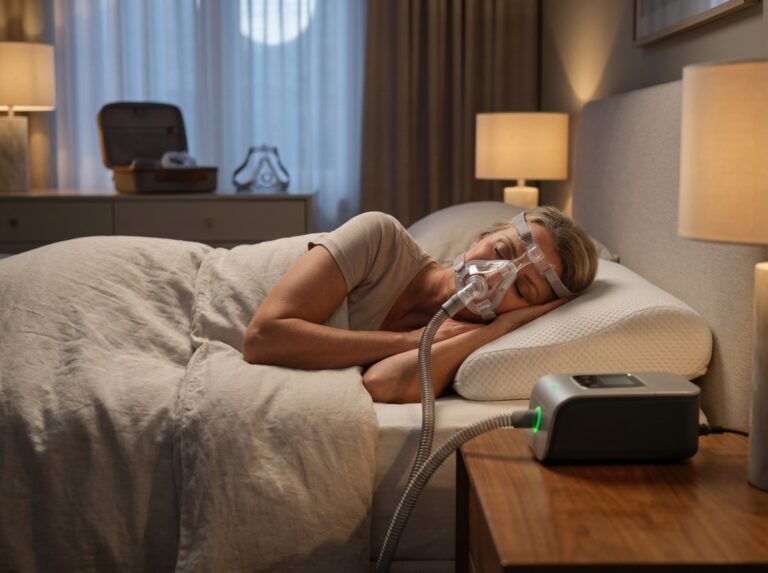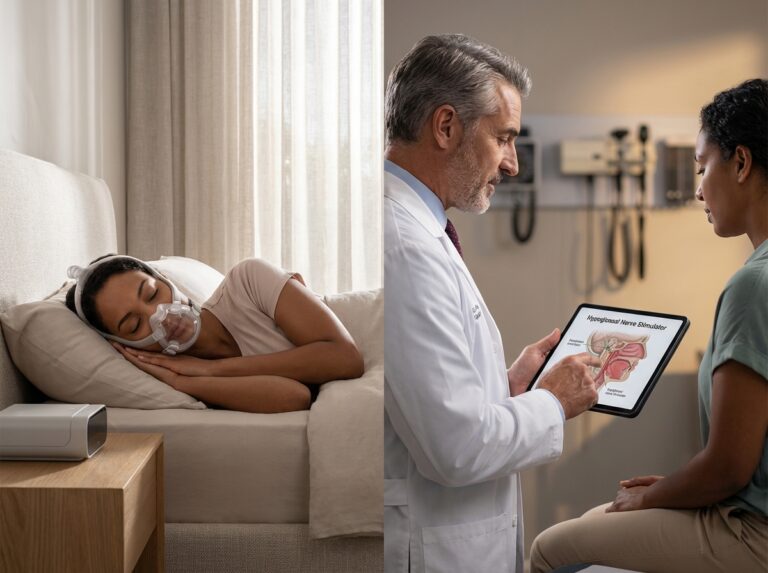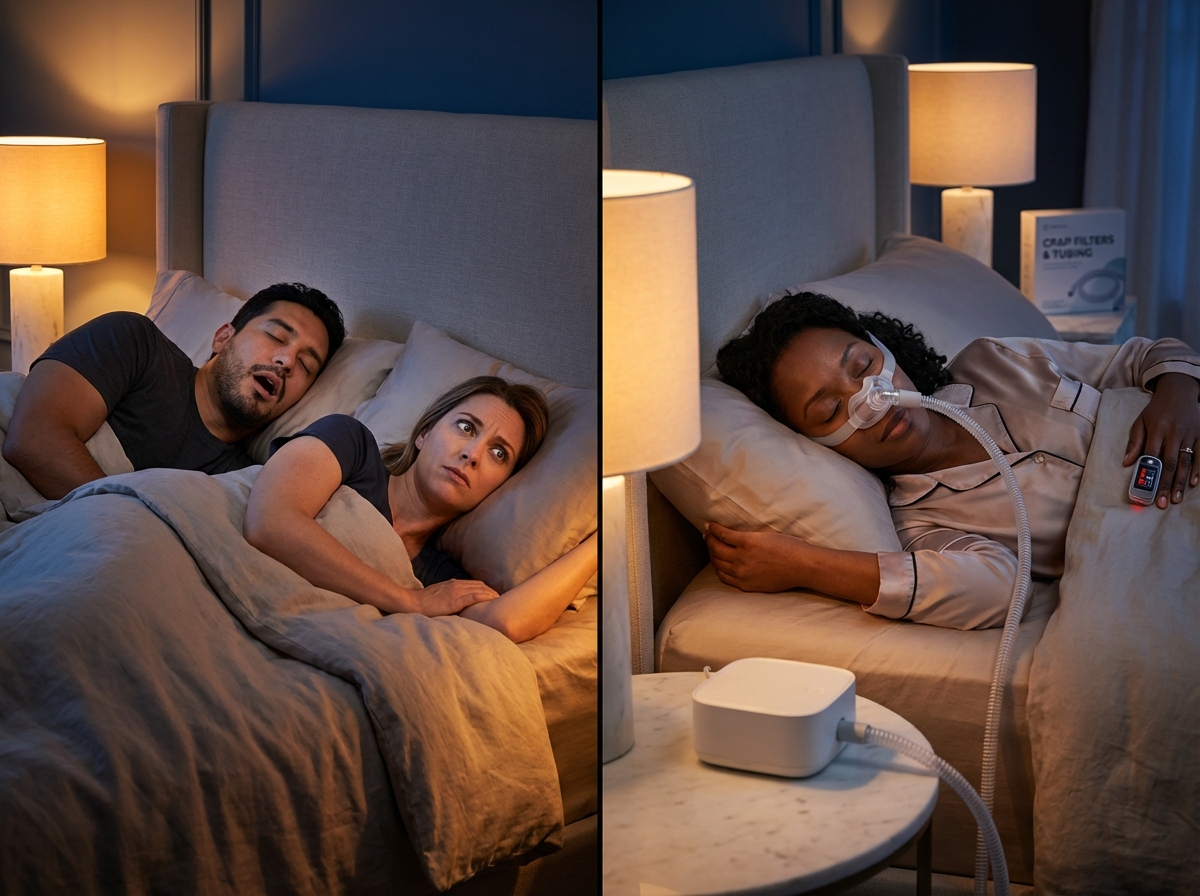
Many people snore occasionally, but loud snoring can also signal obstructive sleep apnea (OSA). This article explains how to distinguish simple snoring from OSA, when to seek testing, and how to make CPAP therapy comfortable and effective with mask fitting, machine selection, and accessory tips to improve nightly adherence and long-term health.
How to tell simple snoring from obstructive sleep apnea
Understanding the difference between a simple snore and a medical condition is the first step toward better sleep. Many people assume that snoring is just a noisy habit. In reality, it can be a sign of obstructive sleep apnea, which is a serious breathing disorder. Primary snoring happens when the tissues in the throat vibrate as air passes through. This usually occurs because the airway is slightly narrowed but not blocked. In these cases, the person continues to breathe normally. Their oxygen levels stay stable throughout the night, and they usually wake up feeling refreshed.
Obstructive sleep apnea involves a physical blockage of the airway. The muscles in the throat relax too much and the tongue or soft palate collapses. This stops the flow of air completely. These pauses are called apneas. A partial blockage is called a hypopnea. When these events happen, the brain has to wake the body up just enough to restart breathing. This cycle can happen hundreds of times in a single night. It prevents the person from reaching deep, restorative sleep.
Prevalence and Common Risk Factors
Statistics show that nearly 90 million Americans report snoring at some point. About 37 million adults snore on a regular basis. While many people ignore it, it is estimated that about 57% of men and 40% of women in the United States snore. Risk factors for both conditions overlap. Age is a major factor because throat muscles lose tone over time. A high Body Mass Index (BMI) is another significant risk. Excess weight around the neck can put pressure on the airway. A neck circumference over 17 inches for men or 16 inches for women often points toward a higher risk of apnea.
Male sex has traditionally been seen as the primary risk group. However, recent clinical data indicates that sleep apnea is more common than previously known in female athletes and women with lower BMIs. This shows that fitness level does not always protect someone from breathing issues. Alcohol and sedative use also play a role. These substances relax the throat muscles further and make a collapse more likely. Nasal obstruction from allergies or a deviated septum can force mouth breathing, which worsens snoring. Craniofacial anatomy, such as a small lower jaw or enlarged tonsils, can also narrow the space available for air.
Symptoms and Partner Observations
A bed partner is often the first person to notice the signs of sleep apnea. Simple snoring is usually rhythmic and steady. Apnea snoring is different; it is often very loud and interrupted by periods of silence. These silent gaps are the moments when the person is not breathing. They are often followed by a sudden gasp, a choking sound, or a loud snort as the person struggles for air.
Daytime symptoms are a major differentiator. People with primary snoring do not usually feel exhausted during the day. Those with sleep apnea suffer from excessive daytime sleepiness. They might struggle with cognitive fog or have trouble concentrating at work. Morning headaches are common because of the lack of oxygen and the buildup of carbon dioxide in the blood. Mood changes like irritability or depression are also frequent. If you find yourself falling asleep during quiet activities like reading or watching television, it is a strong indicator of a problem.
Objective Diagnostic Criteria
Doctors use the Apnea Hypopnea Index (AHI) to measure the severity of the condition. This index counts how many times a person stops breathing or has shallow breathing per hour of sleep. An index score below 5 is considered normal for most adults.
| Severity Level | AHI Range (Events per Hour) | Clinical Impact |
|---|---|---|
| Mild OSA | 5 to 15 | Occasional daytime sleepiness and mild oxygen drops. |
| Moderate OSA | 15 to 30 | Increased risk of cardiovascular issues and noticeable fatigue. |
| Severe OSA | Greater than 30 | High risk for heart attack, stroke, and severe daytime impairment. |
Hypopneas are just as important as full apneas. They represent a 30% or greater reduction in airflow that lasts for at least 10 seconds. These events lead to oxygen desaturations, where the blood oxygen level drops below the healthy range of 95% to 100%. Frequent drops in oxygen stress the heart and trigger a fight or flight response in the body.
Cardiovascular and Metabolic Risks
Untreated sleep apnea is not just a sleep problem; it is a systemic health issue. The constant stress on the heart increases the risk of hypertension. Many patients find that their blood pressure is difficult to control even with medication until they treat their apnea. There is a strong link between apnea and atrial fibrillation, which is an irregular heart rhythm. Heart failure and stroke risks also go up significantly.
Metabolic health is also affected. Sleep apnea is closely tied to insulin resistance and type 2 diabetes. The lack of oxygen and fragmented sleep disrupt how the body processes glucose. Major guidelines from the American Heart Association and the American Academy of Sleep Medicine emphasize the urgency of diagnosis. Treating the breathing issue can often improve these other chronic conditions. According to a recent National Sleep Foundation report, millions of adults remain undiagnosed, which puts them at unnecessary risk for these complications.
Limitations and Red Flags
It is a mistake to think that only loud snorers have sleep apnea. Some people have “silent” apnea where the airway closes without much noise. This is more common in women and younger adults. Conversely, not everyone who snores loudly has a blockage. Some people have very narrow airways that vibrate loudly but never fully close.
Certain red flags require an urgent evaluation by a sleep specialist. If a partner witnesses prolonged pauses in breathing, this is a serious sign. Falling asleep while driving is a critical warning that the brain is not getting enough rest. Nocturnal chest pain or waking up with a racing heart can indicate that the heart is struggling during the night. New onset atrial fibrillation should always prompt a sleep study.
Practical Screening Tools
You can use simple tools at home to gauge your risk. The STOP-Bang questionnaire is widely used by clinicians. It asks about Snoring, Tiredness, Observed apneas, and high blood Pressure. It also looks at BMI, Age, Neck size, and Gender. A score of 3 or higher suggests you should talk to a doctor.
The Epworth Sleepiness Scale is another helpful tool. It asks you to rate your likelihood of dozing off in eight different situations. A score higher than 10 indicates significant daytime sleepiness. If your scores are borderline but you have other risk factors like high blood pressure, you should still seek a professional opinion. A primary care provider can use these scores to decide if a referral to a sleep clinic is necessary. Identifying the problem early is the best way to prevent long term health damage and start the path toward effective therapy.
Diagnosis pathways and testing options
Moving from the realization that snoring might be a health risk to getting a formal diagnosis is a structured process. It involves specific medical pathways designed to separate simple noise from dangerous breathing pauses. Doctors do not just rely on a partner’s description of loud noises. They use objective data from sleep studies to see what is happening inside the body during the night. Understanding these testing options helps you navigate the healthcare system and get the right treatment faster.
The Two Main Testing Pathways
In-Lab Polysomnography (PSG)
The gold standard for sleep medicine is the in-lab study. This test happens in a specialized sleep center where you stay overnight in a private room. A technician monitors you from another room while you are connected to various sensors. A full PSG is very detailed. It uses electroencephalography (EEG) to track brain waves and determine exactly when you are awake or in specific sleep stages like REM. It also uses electrooculography (EOG) for eye movements and electromyography (EMG) for muscle tension. These sensors help identify if a breathing pause is related to a physical blockage or a signal issue from the brain. The lab also tracks heart rhythm through EKG and leg movements to rule out other disorders. This level of detail is why it remains the top choice for complex cases.
Home Sleep Apnea Testing (HSAT)
Home testing has become the most common way to diagnose obstructive sleep apnea (OSA) for many adults. It is much less invasive than a lab study. You receive a small kit with a few sensors to wear in your own bed. These devices typically focus on three main areas: a nasal cannula to measure airflow, a belt around the chest or abdomen to track respiratory effort, and a pulse oximeter on the finger to monitor oxygen levels. Some newer home tests use peripheral arterial tone (PAT) technology which measures changes in the blood vessels to detect sleep stages and breathing events. While convenient, HSAT does not measure brain waves. If you spend half the night awake but the device thinks you are asleep, the data might show a lower severity than what actually exists.
Choosing the Right Test for Your Situation
When HSAT is Appropriate
Doctors usually recommend a home test for “uncomplicated” adult patients. This means you have a high pretest probability of having OSA based on symptoms like loud snoring and daytime sleepiness. If you do not have other major health issues, the home test is often the first step. It is faster to schedule and costs significantly less than a lab visit. Many insurance companies now require an HSAT as the starting point for most patients.
When a Full PSG is Required
Some medical conditions make home testing unreliable or even dangerous. If a doctor suspects central sleep apnea, where the brain fails to signal the muscles to breathe, a lab study is mandatory. Patients with significant heart failure or advanced lung diseases like COPD need the extra monitoring of a PSG. People with neurological disorders such as Parkinson’s disease or those suspected of having sleep-related hypoventilation also require a lab. Pediatric cases are almost always handled in a lab because children have different breathing patterns and diagnostic thresholds. If a home test comes back negative but the patient still has severe symptoms, a follow-up PSG is often the next step to catch what the home device missed.
Preparing for Your Sleep Study
Preparation is simple but important for accurate data. On the day of the test, you should avoid caffeine after noon. Caffeine can interfere with your ability to fall asleep and may alter your sleep architecture. You should also avoid naps during the day. For an in-lab study, it is helpful to wash your hair and avoid using oils or sprays. These products can make it hard for the EEG electrodes to stick to your scalp. If you are doing a home test, make sure the device is fully charged and the sensors are placed snugly against your skin as shown in the instructions. Most clinicians suggest following your normal evening routine as closely as possible to get a representative sample of your typical sleep.
How Clinicians Read the Data
The Apnea-Hypopnea Index (AHI)
The most important number in your report is the AHI. This represents the average number of times your breathing stops (apnea) or becomes very shallow (hypopnea) per hour. An AHI of 5 to 15 is considered mild. 15 to 30 is moderate. Anything over 30 is classified as severe. This number helps determine the urgency of treatment. You can find more about these thresholds in this guide on recognizing sleep apnea warning signs.
Oxygen Nadir and T90
Clinicians also look at how low your oxygen levels drop. The “oxygen nadir” is the lowest percentage of oxygen saturation recorded during the night. A healthy person usually stays above 94 percent. In severe apnea, this can drop into the 70s or even lower. They also measure “T90,” which is the total time spent with oxygen levels below 90 percent. This metric is a strong predictor of cardiovascular strain and long-term health risks.
Deciding on a Treatment Path
AutoPAP Titration vs. In-Lab Titration
Once a diagnosis is made, the next step is finding the right pressure for your CPAP machine. Many patients start with an Auto-CPAP (APAP). This machine uses an algorithm to sense when your airway is closing and increases the pressure automatically. This is often called empiric therapy. However, some patients benefit from an in-lab titration study. During this night, a technician manually adjusts the pressure to find the exact level that stops all apnea events and snoring. This is often necessary for patients with very high pressure needs or those who find the auto-adjusting pressure uncomfortable.
Insurance and Access in the USA
Navigating insurance for sleep medicine requires patience. Most private insurers and Medicare require “prior authorization” before they will pay for a sleep study. This means your doctor must submit notes proving that you meet certain criteria, such as a high score on a screening tool. Once you get your machine, you enter a “compliance period.” Usually, insurance companies want to see that you are using the device for at least four hours a night for 70 percent of the days during the first 90 days. If you do not meet this goal, they may refuse to pay for the machine or the ongoing supplies like masks and filters.
Most insurance plans follow a rent-to-own model. You must prove usage to keep coverage. If your insurance denies a claim for a specific mask or machine, you have the right to appeal. You should work with your sleep doctor to provide a letter of medical necessity. This is common if you need a more expensive BiLevel machine or a specific type of mask due to skin allergies or facial structure. It is vital to work closely with your Durable Medical Equipment (DME) provider to ensure your data is being transmitted correctly. Many people are surprised to learn that recognizing sleep apnea is only the first step in a long administrative process.
The Modern Landscape Post-2020
The way we handle sleep apnea changed significantly after 2020. Telemedicine is now a standard part of the process. You can often do your initial consultation and your follow-up visits via video call. This has made it much easier for people in rural areas to see specialists. Home testing has also become the default for the vast majority of cases. Remote data monitoring allows your doctor to see how your therapy is going in real-time without you having to bring your machine into the office. This shift has improved access, though it requires patients to be more proactive in managing their own equipment and masks.
A Step-by-Step Guidance Algorithm
- Initial Screening. Use a tool like the STOP-Bang questionnaire. If you score high or have symptoms like gasping for air, move to the next step.
- Primary Care Consultation. Discuss your symptoms and any history of high blood pressure or heart issues. Ask for a referral to a sleep specialist.
- Specialist Evaluation. The specialist will decide if you need an HSAT or a PSG based on your health history.
- Testing. Complete the sleep study. Ensure you get at least four to six hours of recorded data for an accurate result.
- Results Review. Meet with your doctor to discuss your AHI and oxygen levels. A diagnosis of OSA is usually made if your AHI is 5 or higher with symptoms, or 15 or higher regardless of symptoms.
- Treatment Selection. Choose between an APAP for home setup or an in-lab titration if your case is complex.
- Early Follow-up. Check in with your care team after 30 days. Review your usage data and address any mask leaks or comfort issues immediately.
Getting diagnosed is a major milestone. It moves you from wondering why you are tired to having a clear plan for better health. While the process involves several steps and some paperwork, the result is a treatment plan that can significantly lower your risk for heart disease and stroke. You can read more about why this matters in this article on what doctors wish patients knew about sleep apnea.
Frequently Asked Questions
Can CPAP therapy cure my snoring
CPAP therapy is designed to treat the underlying cause of snoring. It provides a continuous stream of pressurized air. This air acts as a pneumatic splint. It keeps the upper airway open. When the airway stays open, the tissues in the throat cannot vibrate against each other. This effectively stops the sound of snoring immediately. It is important to understand that CPAP is a treatment and not a permanent cure. If you stop using the machine, the snoring and the apnea events will return. Consistent use every night is required to keep the airway stable. Most patients find that their partners sleep much better once the snoring is eliminated by the machine.
How long will it take before I feel better on CPAP
The timeline for improvement varies for every individual. Some people feel a massive surge in energy after just one night of therapy. This is often called the honeymoon phase. For others, the process is gradual. It may take several weeks for the brain to recover from months or years of sleep deprivation. Your body needs time to adjust to the feeling of the mask and the air pressure. Most clinicians look for significant improvement within the first thirty to ninety days. If you do not feel better after a month of consistent use, you should check your machine data. You might need a pressure adjustment or a different mask style to reduce leaks that interfere with therapy quality.
What are the most common CPAP side effects and how do I fix them
Side effects are the main reason people stop using their machines. Most of them have simple solutions.
- Mask Leaks. If air escapes the seal, it can blow into your eyes or make loud noises. You should adjust the straps while lying down in your sleeping position. Do not over-tighten them. This can actually break the seal.
- Nasal Congestion. Dry air can irritate the nose. You should increase the humidity setting on your machine. Using a heated tube can prevent condensation from forming in the hose.
- Dry Mouth. This usually happens if your mouth hangs open during sleep. The air escapes through your mouth instead of going down your throat. A chin strap or a full-face mask can solve this.
- Aerophagia. This is the term for swallowing air. It causes bloating and gas. You should speak to your doctor about lowering your pressure or using a machine with an expiratory pressure relief setting.
- Skin Irritation. Red marks or sores are often caused by a dirty mask or a mask that is too tight. You should clean your cushion daily with mild soap. Consider using a mask liner made of cotton to create a barrier between the silicone and your skin.
What is the difference between fixed CPAP, autoPAP, and BiLevel machines
A fixed CPAP delivers one constant pressure level all night. It is the most basic and reliable option. An autoPAP or APAP machine uses an algorithm to sense your breathing. It adjusts the pressure up or down within a set range based on your needs. This is helpful if your apnea is worse when you sleep on your back. A BiLevel or BiPAP machine provides two different pressures. One pressure is for inhalation and a lower pressure is for exhalation. This is often prescribed for patients who need very high pressures or those who have underlying lung conditions. Most modern patients start with an APAP because it is more versatile and comfortable for many users.
Do oral appliances work and when are they appropriate
Oral appliances are a valid alternative for some patients. These devices are custom-fitted by a dentist. They work by moving the lower jaw forward. This opens the space behind the tongue. They are generally recommended for patients with mild to moderate sleep apnea. They are also a good option for people who cannot tolerate CPAP therapy. You can learn more about these options through the American Academy of Dental Sleep Medicine. They are less effective for severe cases or for patients with high body mass index. You should always have a follow-up sleep test while wearing the appliance to ensure it is actually treating the apnea events.
What role do positional therapy and weight loss play in treatment
Lifestyle changes can significantly reduce the severity of sleep apnea. Many people only have apnea events when they sleep on their backs. Gravity pulls the tongue and soft tissues backward. Positional therapy involves using devices to keep you on your side. This can be as simple as a specialized pillow or a vibrating belt. Weight loss is also highly effective. Excess fat around the neck can compress the airway. Losing even ten percent of your body weight can sometimes move a patient from severe apnea to moderate or mild levels. However, these changes take time. You should continue using your CPAP while you work on these lifestyle goals.
How do I travel with my CPAP and what are the battery options
CPAP machines are medical devices protected by the Americans with Disabilities Act. You can carry them onto airplanes in addition to your standard carry-on allowance. You should never check your machine in luggage because it might get damaged or lost. If you enjoy camping or travel to areas with unreliable power, you will need a portable battery pack. Most manufacturers sell batteries specifically designed for their machines. You should check the watt-hour rating of the battery to ensure it meets FAA requirements for air travel. Using a 12V DC adapter instead of a standard AC plug will help the battery last longer by avoiding energy loss during power conversion.
What is the recommended mask replacement and cleaning schedule
Regular maintenance is vital for health and machine longevity. Bacteria and oils from your skin can build up on the equipment.
| Component | Cleaning Frequency | Replacement Schedule |
|---|---|---|
| Mask Cushion | Daily | Every 1 month |
| Mask Frame | Weekly | Every 3 months |
| Headgear | Weekly | Every 6 months |
| Tubing | Weekly | Every 6 months |
| Water Chamber | Daily (Rinse) | Every 6 months |
| Disposable Filter | Check Weekly | Every 2 weeks |
You should use distilled water in your humidifier to prevent mineral buildup. If you notice the silicone on your mask becoming yellow or slippery, it is time for a replacement.
What should I do if the mask makes me feel claustrophobic
Claustrophobia is a common hurdle. You should start by wearing the mask during the day while you are awake. Try wearing it while watching television or reading. This helps your brain associate the mask with a relaxed state. Do not turn the machine on at first. Once you are comfortable, turn the air on while you are still awake. Use the ramp feature on your machine. This starts the air at a very low pressure and gradually increases it over twenty minutes. This gives you time to fall asleep before the full pressure kicks in. If a full-face mask feels too restrictive, you might try a nasal pillow mask. These have a much smaller footprint on the face.
When is it time to see a sleep specialist instead of a primary doctor
Your primary doctor can handle initial screenings and basic CPAP setups. You should see a board-certified sleep specialist if your symptoms do not improve with standard treatment. If you have complex health issues like heart failure or neuromuscular disorders, you need specialized care. A specialist is also necessary if you struggle with insomnia in addition to sleep apnea. They can offer advanced diagnostic tools and alternative treatments that a general practitioner might not provide. If you find yourself constantly adjusting your settings without success, a professional mask refit appointment or a titration study in a lab is the next logical step.
Conclusions and practical next steps
Starting CPAP therapy is a big change, and many patients struggle with the equipment and give up too early. Research shows that over 4 in 10 adults said they were unlikely to try CPAP because of comfort concerns. You can make the process much easier by following a specific checklist for optimization. This ensures the machine works for you instead of against you.
The CPAP Optimization Checklist
- Get a proper mask fit. The mask is the most important part of your therapy. If it leaks, the air will blow into your eyes or make loud noises. This prevents the machine from keeping your airway open. Try different styles. Nasal pillows are small and sit at the base of the nose. Full face masks cover both the nose and mouth. You should test the fit while lying down in your usual sleeping position. Your face shape changes when you lie down.
- Use nasal humidification. Dry air can irritate your nose and throat. Most modern machines have a built in humidifier. You should adjust the water level based on the season. In winter, you may need more moisture. If you see water droplets in your tube, this is called rainout. You can fix this by using a heated tube or a fabric tube cover.
- Adjust ramp and pressure relief settings. Many people find it hard to breathe against high pressure. The ramp setting starts the machine at a low pressure. It slowly increases as you fall asleep. You should also look for pressure relief settings. These are often called EPR or C-Flex. This feature lowers the pressure when you exhale. It makes breathing feel more natural.
- Consider an autoPAP machine. A fixed pressure machine stays at one setting all night. An autoPAP machine adjusts the pressure based on your needs. Your pressure requirements change if you roll onto your back. They also change during REM sleep. An autoPAP can provide the exact amount of air needed at any moment.
- Track your nightly data. Most machines now connect to smartphone apps. These apps show your mask fit score and your hourly events. A good goal is to keep your events under five per hour. You should share this data with your sleep provider during follow up visits. It helps them make informed adjustments to your settings.
- Replace disposable parts on schedule. CPAP supplies are not meant to last forever. Mask cushions collect oils from your skin and lose their seal. You should replace them every month. Filters should be changed every two weeks to keep the air clean. You should also replace the water tub and the tubing every six months to prevent bacteria growth.
Staying Informed on Equipment
You must stay updated on the safety of your equipment. Manufacturers occasionally issue recalls for specific models. You should register your machine on the manufacturer website to receive direct alerts. You can also check the FDA medical device recall database regularly. If your machine is more than five years old, it may be time for a replacement. Newer models are much quieter. They also have better algorithms for detecting different types of breathing pauses. Many insurance plans cover a new machine every five years. You should check your specific policy to see when you are eligible for an upgrade.
Prioritizing Your Long Term Health
Sticking with CPAP therapy is one of the best things you can do for your longevity. It reduces the risk of stroke and heart attack. It also improves your mood and your ability to focus at work. Snoring is a common symptom but it is often the tip of the iceberg. By optimizing your therapy and addressing comfort issues early, you turn a difficult treatment into a nightly habit. Better comfort leads to better adherence. This leads to a longer and healthier life. Do not settle for a mask that hurts or a machine that keeps you awake. Work with your provider until the therapy feels invisible. Your future self will thank you for the effort you put in today.
References
- Sleep Apnea More Common Than Previously Known in Female … — Obstructive sleep apnea (OSA) is the most common sleep-related breathing disorder, impacting about 18 million Americans, and is prevalent in …
- [PDF] Understanding Sleep Apnea – National Sleep Foundation — Over 4 in 10 adults said they were unlikely to try CPAP, the most commonly prescribed treatment for sleep apnea. Page 4. ©2025 NATIONAL SLEEP …
- Recognizing Sleep Apnea: More Than Just Snoring — Sleep apnea affects nearly 30 million adults in the United States, yet up to 80 percent of cases go undiagnosed. That's a major concern, not just for sleep …
- What doctors wish patients knew about sleep apnea — In fact, only 6 million are diagnosed with sleep apnea, leaving 80% unaware they have the condition.
- Is it more than a snore? Recognizing sleep apnea warning signs — Millions of Americans have undiagnosed obstructive sleep apnea, and snoring is one common symptom. Nearly 70% of Americans who sleep with a …
- Is It Snoring or Is It Sleep Apnea? — While almost everyone snores on occasion, persistent snoring may be a sign of obstructive sleep apnea, a common breathing condition that affects …
- Obstructive Sleep Apnea & Snoring — It is estimated that about 57% of men, and 40% of women in the United States snore. It is not uncommon for people to ignore this phenomenon; however, snoring …
- Is that snoring actually sleep apnea? | Northfield Hospital + Clinics — Sleep apnea is a common disorder with one or more pauses in breathing or shallow breaths while you sleep. It affects about 20 million adults in the U.S., and …
- What doctors wish patients knew about snoring — Meanwhile, 90 million Americans report snoring at one time or another, while 37 million of those adults report snoring regularly. Meanwhile, …
- Does Snoring Mean Sleep Apnea? – SleepApnea.org — Almost everyone snores once in a while, and about 25 to 50% of adults snore on a regular basis. But snoring that's loud, frequent, and …
Legal Disclaimers & Brand Notices
The content provided in this article is for informational purposes only and does not constitute professional medical advice, diagnosis, or treatment. Always seek the advice of your physician or other qualified health provider with any questions you may have regarding a medical condition, especially concerning obstructive sleep apnea or the use of CPAP therapy. Never disregard professional medical advice or delay in seeking it because of something you have read in this article.
All product names, logos, and brands mentioned in this text are the property of their respective owners. All company, product, and service names used are for identification purposes only. Use of these names, logos, and brands does not imply endorsement or affiliation.