Deciding whether to upgrade from ResMed AirSense 10 to AirSense 11? This article breaks down the practical differences—hardware, comfort, algorithms, connectivity, and cost—so you can judge whether a switch will improve nightly therapy. It guides purchasers, current CPAP users, and caregivers through features, compatibility, and real-world benefits to help make an informed, up-to-date choice. Updated for mid-2024 to reflect firmware and accessory changes.
At a Glance Key differences and what matters
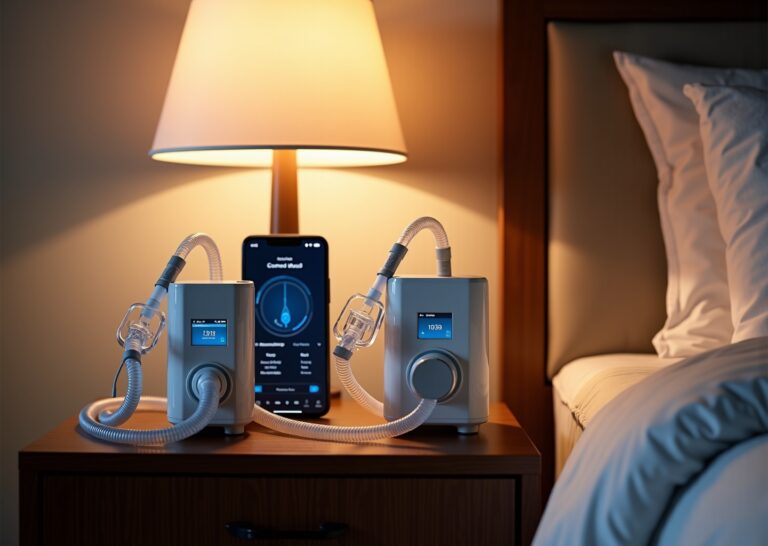
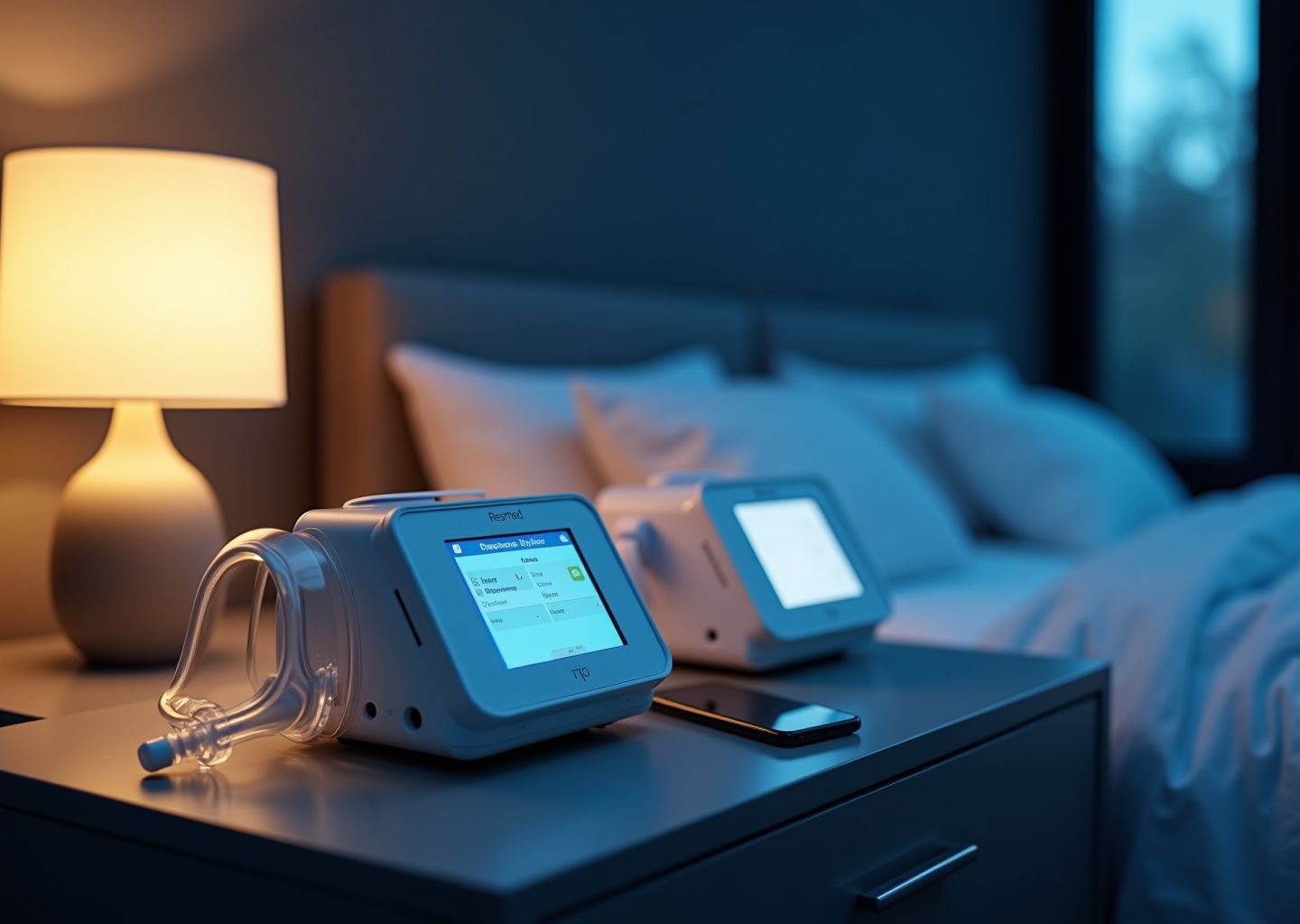
When you place the ResMed AirSense 11 next to its predecessor, the AirSense 10, the first thing you notice is the physical evolution. The AirSense 11 is sleeker and more modern, looking less like a traditional medical device and more like a piece of contemporary tech for your nightstand. But the changes are more than just cosmetic.
Physical Design and Size
The AirSense 11 is noticeably more compact. While slightly longer than the 10, it is narrower, shorter, and lighter. Official specifications put the AirSense 11 at 1130 grams (about 2.5 pounds), a notable reduction from the AirSense 10’s 1248 grams (about 2.75 pounds). This over 100-gram difference makes the AirSense 11 a better companion for travel. ResMed also made subtle but important design changes. The air filter has been moved from the side to the back of the unit, a placement that can improve air intake depending on where it sits on your nightstand. The air outlet for the tubing is now located directly on the back, eliminating the 90-degree elbow connector found on the AirSense 10. This simplifies the connection and can make the unit slightly easier to clean, though it may affect how you arrange the tubing at night.
Control Interface and Display
This is one of the most significant user-facing upgrades. The AirSense 10 uses a physical dial and a color LCD screen for navigation. It’s a reliable system that many users find easy to operate, especially those who prefer tactile feedback or have conditions like arthritis. The AirSense 11 completely replaces this with a full-color LED touchscreen. The interface is designed to be intuitive, much like a smartphone, with simplified menus and on-screen prompts. For users comfortable with modern electronics, this is a major step up in usability. The large, clear display makes it easy to see your settings and therapy data at a glance. Both machines retain a simple, top-mounted Start/Stop button for easy one-touch operation in the dark.
Therapy Algorithms and Onboard Features
At their core, both machines run on ResMed’s trusted AutoSet algorithm, which automatically adjusts pressure throughout the night in response to your breathing. However, the AirSense 11 integrates the popular “AutoSet for Her” algorithm as a standard therapy mode. On the AirSense 10 platform, this required purchasing a separate “AirSense 10 AutoSet for Her” device. This algorithm is tailored to the subtler patterns of sleep apnea more commonly seen in women, making the AirSense 11 a more versatile single unit.
The AirSense 11 also introduces several software features aimed at improving the onboarding experience for new users. These are not available on the AirSense 10.
- Personal Therapy Assistant This feature, accessed through the myAir app, provides voice-guided setup videos, troubleshooting tips, and advice to help you get comfortable with your therapy.
- Test Drive This tool lets you try out the machine at different pressure levels before your first night, helping you acclimate to the sensation of PAP therapy and check for mask leaks in a controlled way.
- Care Check-In A program that provides personalized guidance and coaching through the myAir app during the initial weeks of therapy, a critical period for long-term adherence.
These features show a clear focus on user support and making the initial therapy period less intimidating.
Connectivity and Data Integration
Both machines transmit therapy data wirelessly to your provider and the myAir app. The AirSense 10 relies on a built-in cellular modem for this communication. The AirSense 11 keeps the cellular modem but adds Bluetooth connectivity. This addition creates a more stable and seamless connection to the myAir app on your smartphone, enabling the interactive features like the Personal Therapy Assistant. More importantly, the AirSense 11 is capable of receiving over-the-air (OTA) software updates. This means ResMed can push new features, bug fixes, and algorithm improvements directly to your device over its lifetime, something the AirSense 10 cannot do. This future-proofs the device in a way its predecessor is not.
Humidification, Power, and Noise
Both models feature a fully integrated heated humidifier, a standard for modern CPAP machines. The AirSense 11’s water chamber has been redesigned to be easier to open, fill, and clean, a small but welcome quality-of-life improvement. Both are compatible with ResMed’s ClimateLineAir heated tubing to prevent condensation.
A notable internal upgrade is the power supply. The AirSense 11 uses a more efficient 65-watt power supply compared to the 90-watt unit for the AirSense 10. This lower power consumption doesn’t impact performance; both machines deliver the same pressure range. It simply makes the AirSense 11 more energy-efficient, which is a small benefit for your electricity bill and potentially for use with third-party battery packs.
When it comes to noise, both machines are exceptionally quiet. Official ratings place the AirSense 10 at 26.6 dBA and the AirSense 11 at 27 dBA. This difference is negligible on paper, and both are considered whisper-quiet. However, the *quality* of the sound can differ, a topic we’ll explore further in the next chapter on user comfort.
Comfort and daily user experience
While the technical specifications lay a foundation for comparison, what truly matters is how these machines feel and function night after night. The transition from an AirSense 10 to an AirSense 11, or choosing between them as a new user, hinges on the subtle and significant differences in daily comfort and usability. These are the factors that shape therapy compliance and overall satisfaction.
The core breathing experience is governed by ResMed’s trusted AutoSet algorithm, which is present in both models. This algorithm intelligently adjusts pressure throughout the night in response to apneas, hypopneas, and snoring. For long-time AirSense 10 users, the therapy from the AirSense 11 will feel remarkably familiar. The pressure changes are just as smooth and responsive. A key difference is that the AirSense 11 integrates the “AutoSet for Her” algorithm as a selectable therapy mode, whereas the AirSense 10 required a separate, dedicated device. This makes the standard AirSense 11 a more versatile option out of the box. Both machines also feature AutoRamp with sleep onset detection, which keeps pressure low until you fall asleep. In practice, this function feels identical on both devices, providing a gentle start to therapy. The SmartStart/Stop feature, which begins and ends therapy when you put on or take off your mask, also remains a shared convenience.
Humidification is a critical comfort setting, and here the AirSense 11 introduces a tangible design improvement. While both units have integrated heated humidifiers and are compatible with ClimateLineAir heated tubing to prevent condensation, the AirSense 11’s water chamber is noticeably easier to open, fill, and clean. User feedback aggregated from sleep health forums frequently praises this small but significant quality-of-life upgrade. For those who struggled with the AirSense 10’s sometimes stiff water tub, this change alone can reduce daily friction. Performance-wise, both deliver excellent humidification, but if you experience persistent dryness or rainout after switching, it is worth re-evaluating your settings, as the new chamber’s efficiency might require a slight adjustment to your usual humidity level or tube temperature.
Perhaps the most debated topic in online communities is the difference in noise. On paper, the two are nearly indistinguishable; the AirSense 10 is rated at 26.6 dBA and the AirSense 11 at 27 dBA. Both are whisper-quiet. However, perception tells a more nuanced story. A vocal minority of users on platforms like Reddit’s r/CPAP report that the AirSense 11 produces a slightly higher-pitched motor sound than the AirSense 10. It’s important to approach this feedback with caution. Users are often hyper-aware of any new sound from a new device, and this perception may fade with time. Still, for extremely light sleepers who have grown accustomed to the specific sound profile of the AirSense 10, this potential change is worth noting. Most users, however, report no discernible difference in noise level during operation.
The most significant departure in daily experience is the user interface. The AirSense 10’s reliable dial and LCD screen are replaced by the AirSense 11’s full-color touchscreen. This modernizes the interaction significantly. Navigating menus to check your sleep report or adjust ramp time is more intuitive on the AirSense 11, resembling a smartphone experience. This is particularly helpful for new users, who are guided by a more visual system. The AirSense 11 leverages this new interface with several exclusive support features.
- Personal Therapy Assistant
Available through the myAir app, this feature offers voice-guided setup videos and troubleshooting tips, helping users build confidence from the very first night. - Test Drive
This tool is designed to help you acclimate to therapy by running the machine at different pressures. It also provides a valuable mask fit check, giving you real-time feedback on your seal before you go to sleep. This can be instrumental in preventing the frustrating leaks that often plague new users. - Care Check-In
This feature provides personalized guidance and asks simple questions about your therapy experience, connecting you to coaching and support when needed.
These software additions are aimed squarely at improving the initial user journey and long-term adherence, a clear advantage for those new to CPAP.
Finally, accessory compatibility is a practical concern. While standard, non-heated tubing is interchangeable, the heated tubes are not. The ClimateLineAir heated tube for the AirSense 10 is not compatible with the AirSense 11, which requires the newer ClimateLineAir 11 model. This is a crucial point for users who rely on heated humidification. The power supplies are also different. The AirSense 11 uses a more efficient 65-watt supply compared to the AirSense 10’s 90-watt brick. This means you cannot swap power cords. This change also has implications for third-party battery packs used for travel or power outages; you will need to ensure your battery solution is compatible with the AirSense 11’s smaller connector and power requirements.
Cost insurance and real world upgrade considerations
When we talk about upgrading technology, the conversation often centers on new features and sleeker designs. But with medical equipment like a CPAP machine, the most important discussion is about the practical, real-world cost. The jump from an AirSense 10 to an AirSense 11 isn’t just about a touchscreen; it’s a financial decision that involves insurance rules, long-term expenses, and your personal budget. Let’s break down the numbers to see if the upgrade makes sense for your wallet.
The Upfront Cost: A Tale of Two Price Tags
As of 2024, the price difference between the two models has become quite clear. The AirSense 10, now a well-established and reliable workhorse, has settled into a more budget-friendly price point. You can typically find a new AirSense 10 AutoSet online from authorized retailers for between $700 and $850. In contrast, the newer AirSense 11 AutoSet, with its advanced features and connectivity, generally retails for $950 to $1,100. This initial $250 to $400 gap is the first hurdle to consider. This is the out-of-pocket price you’d pay if insurance wasn’t involved at all.
Navigating the Insurance Maze: The Five-Year Rule
For most CPAP users, insurance is the primary factor determining when and if they can get a new machine. The vast majority of private insurance plans, along with Medicare, classify CPAP machines as Durable Medical Equipment (DME). As such, they follow a standard replacement schedule.
The 5-Year Lifespan
Most insurers will only cover the replacement of a CPAP machine once every five years. This is considered the device’s “reasonable useful lifetime.” If your AirSense 10 is less than five years old and is functioning correctly, your insurance will almost certainly deny a claim for an AirSense 11. An upgrade for purely cosmetic or minor feature improvements is not considered a medical necessity.
When Will Insurance Cover an Early Upgrade?
There are exceptions, but they require documentation. Your insurance might cover a replacement before the five-year mark if your current device is:
- Lost or stolen (often requires a police report).
- Damaged beyond economic repair (e.g., dropped, water damage).
In the case of a malfunction, your DME provider will first attempt to repair it. Only if a repair is not feasible will they, with a new prescription and documentation from your doctor, submit for a replacement. Simply wanting the newer model is not a valid reason for coverage.
Presenting Your Case
If your machine is over five years old, the process is straightforward. You’ll need a new prescription from your sleep doctor and proof of ongoing therapy compliance (which your DME provider can usually pull from your device’s data). If you’re seeking an early replacement due to damage, you’ll need a letter from your doctor or DME supplier stating the machine is non-functional and cannot be reasonably repaired.
Long-Term Ownership Costs: More Than Just the Machine
The initial purchase price isn’t the whole story. You also have to consider the ongoing cost of supplies. While many consumables are similar, there are key differences.
- Filters and Masks: Standard disposable filters are generally the same price for both models. Your existing CPAP mask will work perfectly with the AirSense 11, so there’s no added cost there.
- Humidifier Chambers: The AirSense 11 features a redesigned water chamber that is easier to clean. However, it is not interchangeable with the AirSense 10 chamber. If you need a replacement, the AirSense 11 chamber may cost slightly more, around $30-$40 compared to the AirSense 10’s $25-$35.
- Heated Tubing: This is a critical point. The ClimateLineAir heated tube for the AirSense 10 is not compatible with the AirSense 11. You will need to purchase the new ClimateLineAir 11 tube. Prices are comparable (around $40-$50), but it’s a mandatory extra purchase if you rely on heated tubing.
- Power and Travel: The AirSense 11 uses a more efficient 65-watt power supply, while the AirSense 10 uses a 90-watt brick. This makes the AirSense 11 slightly better for travel and compatible with a wider range of portable battery packs. However, if you already own a battery solution for your AirSense 10, you may need to buy a new DC converter cable specific to the AirSense 11, which can be an additional $30-$50 expense.
Resale and Trade-In Programs
What can you do with your old AirSense 10? Unfortunately, not much. Due to their status as prescription medical devices, selling them on platforms like eBay or Facebook Marketplace is often prohibited. Some online DME suppliers have trade-in programs, but the value is typically low, often just a $50 to $100 credit toward the purchase of a new machine. It’s better than nothing, but it won’t significantly offset the cost of a new AirSense 11.
Putting It All Together: Is the Upgrade Worth It for You?
Let’s look at a few scenarios to see how the math plays out.
Example 1: The Medicare Recipient
Your AirSense 10 is six years old and working fine. Medicare is ready to cover a replacement. Your out-of-pocket cost for a new machine will be your standard 20% coinsurance after your deductible is met. If the allowed amount for an AirSense 11 is $1,000, you’d pay $200. In this case, paying $200 to get the latest technology, a fresh five-year warranty, and new features like the Personal Therapy Assistant is an excellent value. Verdict: Upgrade.
Example 2: The Frequent Traveler
Your AirSense 10 is two years old, and you travel for work twice a month. You’re paying entirely out-of-pocket. The cost is ~$1,000 for the AirSense 11, minus a potential $75 trade-in for your A10, for a total of $925. The A11 is over 100 grams lighter and has a smaller power brick. Over a year of 24 trips, you’re paying about $38 per trip for that convenience in the first year alone. If packing light is your top priority and you have the disposable income, it might be worth it. But for most, this is a high price for a small improvement in portability. Verdict: Likely not worth the cost unless convenience is paramount.
Example 3: The “If It Ain’t Broke” User
You have mild sleep apnea, and your AirSense 10 is three years old. Your AHI is consistently below 2.0, you sleep well, and you find the machine easy to use. Your insurance will not cover an upgrade. You would have to pay the full ~$1,000 retail price. The marginal benefits of a touchscreen and enhanced app features offer little practical improvement to your already successful therapy. The financial break-even point is nonexistent. Verdict: Stick with the AirSense 10 until it’s eligible for an insurance-covered replacement.
Ultimately, the decision to upgrade hinges on your specific situation. If your insurance is ready to pay and your out-of-pocket cost is low, moving to the AirSense 11 is a logical choice. If you’re facing the full retail price, you must weigh the tangible cost against the intangible benefits of a modern interface and enhanced support features. For many satisfied AirSense 10 users, the smartest financial move is to wait.
Frequently Asked Questions common buyer and user concerns
Will my current masks and tubing work with the AirSense 11?
Yes, for the most part. Any standard, non-heated CPAP tube with a universal 22mm cuff will work perfectly with both the AirSense 10 and AirSense 11. Likewise, all ResMed masks and masks from other manufacturers are fully compatible with the AirSense 11, so you won’t need to change your preferred interface. The key difference lies with heated tubing. The ClimateLineAir heated tube for the AirSense 10 is not compatible with the AirSense 11. You will need to purchase the specific ClimateLineAir 11 heated tube for the newer machine. While this is an added expense, it’s a necessary one to use the ClimateControl auto-humidification feature. The physical connection point has also moved from a swiveling side port on the AirSense 10 to a fixed port on the back of the AirSense 11, which may slightly alter your bedside setup but doesn’t impact mask compatibility.
Does the AirSense 11 improve therapy outcomes compared to the AirSense 10?
This is a nuanced question. From a purely clinical perspective, the core pressure-adjusting algorithm, ResMed’s trusted AutoSet algorithm, is fundamentally the same in both machines. Therefore, you shouldn’t expect a dramatic change in your Apnea-Hypopnea Index (AHI) based on the algorithm alone. However, the AirSense 11 is designed to improve therapy outcomes indirectly by boosting user adherence and confidence. It introduces several exclusive support features through the myAir app, such as the Personal Therapy Assistant, which provides interactive setup guidance, and the Test Drive feature, which helps new users acclimate to pressure. The Care Check-In feature also provides tailored coaching. By making the initial setup and ongoing use of CPAP therapy easier and more supportive, these tools can lead to better consistency, which is directly linked to better health outcomes. The AirSense 11 also integrates the “For Her” algorithm into the standard AutoSet model, a feature that required a separate device in the AirSense 10 line.
Is my mobile app data handled differently, and how do I access therapy reports?
Yes, the data experience is one of the most significant upgrades. Both devices use the ResMed myAir app to track therapy, but the AirSense 11 offers a much deeper and more interactive integration. The AirSense 10 relies solely on a built-in cellular modem (or an SD card in some older models) to upload basic data like usage hours, AHI, and mask seal scores. The AirSense 11 includes both cellular technology and Bluetooth. The addition of Bluetooth creates a more seamless and reliable connection to your smartphone, enabling advanced features. Through myAir, AirSense 11 users get access to the previously mentioned Personal Therapy Assistant, detailed troubleshooting videos, and personalized coaching tips based on their nightly data. Accessing reports is done through the same myAir app for both, but the level of detail and support available to AirSense 11 users is substantially greater. You can find a good overview of these feature differences in this AirSense 10 vs AirSense 11 Feature Guide.
Does the AirSense 11 require new consumables or different filters?
This is a mix of good and bad news for those with a stockpile of supplies. The standard disposable air filters used in the AirSense 10 are the exact same ones used for the AirSense 11, so you can continue using your existing supply without issue. However, the humidifier water chamber, or tub, is completely redesigned and is not interchangeable. The AirSense 11 water tub is designed to be easier to open, fill, and clean, but you cannot use your old AirSense 10 tub in the new machine. This, along with the new heated tube, is a required new consumable you must factor into the cost of upgrading.
Can I use my existing battery packs with the AirSense 11 for travel?
The AirSense 11 is more travel-friendly when it comes to power. It operates on a more efficient 65-watt power supply, compared to the 90-watt supply for the AirSense 10. This lower power draw means the AirSense 11 will last longer on a given battery pack and is compatible with a wider range of portable power solutions. However, you cannot use the same DC converter cable. The power input port on the AirSense 11 is different, so you will need to purchase a new DC converter specifically made for the AirSense 11 to connect it to a battery pack like a Pilot-24 Lite or other third-party solutions. While your battery itself may still work, the connecting cable must be replaced.
How do firmware updates affect performance, and should I update immediately?
The AirSense 11 features over-the-air (OTA) firmware updates, much like a modern smartphone. These updates are pushed directly to your device via its cellular connection. It is highly recommended to accept these updates when they become available. ResMed uses them to deploy bug fixes, enhance the performance of the therapy algorithms, improve touchscreen responsiveness, and sometimes even add new comfort features. Running the latest firmware ensures your device is operating at its peak potential and is protected by the latest security patches. The update process is automatic and typically runs overnight when the machine is not in use, so it shouldn’t interrupt your therapy. Regional variations in cellular coverage can affect when and how you receive these updates, but in most areas with reliable service, the process is seamless.
Final recommendation and results
After comparing the features, comfort, and connectivity of the ResMed AirSense 10 and AirSense 11, the final decision comes down to your individual needs, budget, and therapy goals. There is no single “best” machine for everyone. Instead, the right choice depends on who you are as a CPAP user. This final analysis provides tailored recommendations to help you make an informed decision.
Recommendations for Different User Profiles
For the New CPAP User
The AirSense 11 is the recommended choice. Starting CPAP therapy can be overwhelming, and the AirSense 11 is designed to ease this transition. Features like the Personal Therapy Assistant and Test Drive, available through the myAir app, provide step-by-step setup guidance and allow you to acclimate to the pressure before your first night. According to ResMed, these tools are built to increase user confidence and adherence from day one. The modern touchscreen interface is also more intuitive for those accustomed to smartphones. While it costs more, this initial investment in a supportive, user-friendly experience can be crucial for long-term success.
For the AirSense 10 Owner with Comfort Issues
Upgrading is likely not the first solution. The core therapy algorithms, AutoSet and Expiratory Pressure Relief (EPR), are fundamentally similar between both models. If you are struggling with pressure, mask leaks, or general discomfort, the issue is more likely related to your pressure settings, mask fit, or humidity levels. An AirSense 11 will not magically solve these problems. Instead, work with your sleep clinician to optimize your current AirSense 10 settings. Only consider an upgrade after you have exhausted all other options with your existing, perfectly capable machine.
For the User Focused on Connectivity and Data
The AirSense 11 is the clear winner. Its built-in Bluetooth connectivity ensures a seamless and immediate connection to the myAir app, providing more detailed insights and personalized feedback. The over-the-air (OTA) software updates keep the device current with the latest features and security patches, a significant advantage over the AirSense 10’s more limited cellular updates. If you value tracking your progress, sharing detailed reports with your provider, and using digital tools to stay engaged with your therapy, the enhanced connectivity of the AirSense 11 justifies the upgrade.
For the Budget-Conscious Buyer
The AirSense 10 remains an excellent and highly recommended option. It is a proven, reliable workhorse that delivers the same high-quality therapy as its successor. For users who simply need an effective, no-frills machine, the AirSense 10 provides unbeatable value. As of 2024, it is significantly more affordable, and since its core function is identical to the AirSense 11, you are not compromising on the effectiveness of your treatment. It is the most practical choice if your primary concern is cost.
For Clinicians Advising Patients
Your recommendation should be patient-specific. For new patients who are anxious or less tech-savvy, the AirSense 11’s guided setup and support features can improve initial compliance. For patients who are data-driven and proactive about their health, the enhanced myAir integration is a valuable tool. However, for stable, long-term users who are happy with their AirSense 10, there is often no compelling clinical reason to upgrade. The AirSense 10 remains a robust choice for patients where insurance coverage or out-of-pocket cost is a significant barrier to starting or continuing therapy.
Your Pre-Upgrade Checklist
Before making a final decision, especially if you are an existing AirSense 10 user, follow these practical steps.
- Consult Your Sleep Clinician. This is non-negotiable. Your doctor or respiratory therapist can help determine if an upgrade is clinically necessary or if adjustments to your current therapy would be more effective.
- Check Insurance Preauthorization. Most insurance providers, including Medicare, will only cover a new CPAP machine every five years. Contact your provider to confirm your eligibility and coverage to avoid unexpected out-of-pocket expenses.
- Confirm Accessory Compatibility. While most standard masks and tubing will work with the AirSense 11, proprietary accessories like the ClimateLineAir heated tube and the humidifier water chamber are not interchangeable. Factor the cost of these new components into your budget.
- Review Your Current AirSense 10 Firmware. ResMed has released updates for the AirSense 10 over the years. Ensure your device is running the latest available software, as this can sometimes improve performance and address minor issues without needing a new machine.
Upgrading Now vs. Waiting
Pros of Upgrading to AirSense 11 Now
- Access to modern features like the Personal Therapy Assistant and Test Drive.
- Enhanced connectivity with Bluetooth and a more integrated myAir app experience.
- Future-proofed with over-the-air software updates.
- Lighter and more compact design, making it easier for travel. The AirSense 11 is over 100 grams lighter than the AirSense 10.
Cons of Upgrading to AirSense 11 Now
- Significantly higher cost, both out-of-pocket and through insurance.
- Core therapy algorithm is not a major leap forward from the AirSense 10.
- Potential insurance hurdles if your current device is less than five years old.
- Requires purchasing new, model-specific accessories like the water chamber.
Ultimately, the users most likely to benefit from an immediate upgrade are new patients starting their CPAP journey, tech-savvy individuals who will actively use the advanced digital features, and frequent travelers who will appreciate the smaller, lighter design. For most happy AirSense 10 users, the proven reliability and cost-effectiveness of their current machine make waiting a perfectly reasonable and financially sound decision.
References
- ResMed AirSense 10 vs AirSense 11 CPAP Comparison Guide — Discover key differences between ResMed AirSense 10 vs AirSense 11 in comfort, features, and value to choose the best CPAP machine for you.
- Resmed AirSense 10 vs 11: Compare Features & Specs – CPAP.com — Size: AirSense 10 is about 4 oz heavier and just slightly larger than the AirSense 11. · Footprint: Once fully assembled, the 10 tends to take up …
- AirSense 10 vs AirSense 11: Feature Guide – Resmed — What are the differences between ResMed AirSense 10 and the AirSense 11? We break down the new features designed to support CPAP therapy.
- Compare ResMed AirSense 10 and AirSense 11 AutoSet — While the AirSense 10 runs on a 90 W power supply, the AirSense 11 uses a more energy-efficient 65 W supply, thanks to ResMed's more efficient …
- ResMed AirSense 11 Review: AirSense 10 vs 11 Differences – Blog — While slightly longer than the AirSense 10, it's also narrower, shorter, and a bit lighter, making it easier than ever to travel with. Power: The AirSense 11 …
- Best 4 CPAP Machines 2025 Comparison – CPAPmyway — The ResMed AirSense 11 is the most travel-friendly among the four, thanks to its compact size and smart, lightweight design. That said, true …
- The Ultimate ResMed AirSense 11 Review | The CPAP Shop — Comparison: AirSense 11 vs AirSense 10 ; Humidifier Tub, Standard, Upgraded design (easier to open/clean) ; Start/Stop, Manual "Start" button …
- AirSense 11 vs. AirSense 10: What's the Difference? – Easy Breathe — The AirSense 11 has a sleeker design without giving up any features or power. It even weighs less than the AirSense 10, coming in at 2.5 pounds.
- AirSense 11 CPAP device for sleep apnea | Resmed — The AirSense 11 series includes three different models: AutoSet, CPAP and Elite · An easy-to-use touchscreen makes the AirSense 11 simple to understand and …
- CPAP Reviews 2025: Find the Perfect Machine for You – YouTube — … ResMed AirSense 11, AirSense 10, React Health Luna G3 and Luna 2. … ResMed AirSense 11 AutoSet CPAP Review | Updated 2025. The CPAP Store …
Legal Disclaimers & Brand Notices
Medical Disclaimer
The content of this article is provided for informational purposes only and is not intended to be a substitute for professional medical advice, diagnosis, or treatment. Discussions regarding CPAP therapy, algorithms, pressure settings, and health outcomes are general in nature. Always seek the advice of a qualified healthcare provider, such as a sleep clinician or respiratory therapist, with any questions you may have regarding a medical condition, device usage, or therapy adjustments. Never disregard professional medical advice or delay seeking it because of something you have read in this publication.
Trademark Acknowledgement
All product names, logos, and brands are property of their respective owners. All company, product, and service names used in this article are for identification purposes only. Use of these names, trademarks, and brands does not imply endorsement. Specific trademarks mentioned include, but are not limited to:
- ResMed®, AirSense™, AirSense 10™, AirSense 11™, AutoSet™, AutoSet for Her™, ClimateLineAir™, and myAir™ are trademarks or registered trademarks of ResMed.
- Medicare is a registered trademark of the U.S. Department of Health and Human Services.