Untreated obstructive sleep apnea (OSA) raises real health risks — from daytime accidents to increased cardiovascular events. This article explains how OSA can contribute to severe outcomes, reviews current evidence on mortality and CPAP benefits, and offers practical, comfort-focused strategies to optimize nightly CPAP use for better adherence and long-term protection.
How obstructive sleep apnea affects your body and risk profile
When you stop breathing during sleep, your body enters a state of emergency. This process is known as obstructive sleep apnea, or OSA. It is not just a matter of snoring or feeling tired. The physiological damage happens every time the airway collapses. When oxygen levels in the blood drop, a condition called intermittent hypoxia occurs. This lack of oxygen sends a panic signal to the brain. In response, the brain triggers a massive spike in the sympathetic nervous system. This is the fight or flight response. It releases adrenaline and raises your heart rate. It also constricts your blood vessels. This cycle can happen thirty, fifty, or even a hundred times every single hour of the night.
This repeated stress creates a biological storm. The constant fluctuation in oxygen levels leads to oxidative stress. This means your body produces harmful molecules that damage cells. It also triggers systemic inflammation. This inflammation circulates through your entire body. Over time, it causes endothelial dysfunction. The endothelium is the thin lining of your blood vessels. When it stops working correctly, your arteries cannot dilate or contract as they should. This is the primary reason why untreated sleep apnea is so closely linked to high blood pressure. Your heart has to pump much harder against constricted vessels while it is already struggling with low oxygen.
The long term risks of this damage are significant. The increased workload on the heart promotes coronary artery disease and heart failure. The electrical system of the heart also suffers. The sudden swings in pressure and oxygen make the heart prone to arrhythmias. Atrial fibrillation is particularly common in people with untreated OSA. The risk of stroke increases because the inflammation and high blood pressure can lead to blood clots or ruptured vessels in the brain. Metabolic dysfunction is another major concern. The stress of apnea interferes with how your body handles insulin. This often leads to insulin resistance and type 2 diabetes.
The scale of this health crisis is growing. Recent data suggests that obstructive sleep apnea will affect nearly 77 million U.S. adults by 2050. This represents a massive increase in the number of people living with these risks. To understand your own risk, clinicians use the apnea-hypopnea index, or AHI. This index measures how many times your breathing stops or becomes shallow per hour of sleep. The thresholds for severity are standardized across the medical community and correlate directly with mortality risks.
| Severity Category | AHI Threshold (Events per Hour) | General Health Impact | Mortality Risk (Hazard Ratio) |
|---|---|---|---|
| Mild OSA | 5 to 14 | Increased fatigue and early signs of vascular stress. | 1.5 (approx. 50% higher) |
| Moderate OSA | 15 to 29 | Significant risk for hypertension and metabolic issues. | 1.5 (approx. 50% higher) |
| Severe OSA | 30 or more | High risk for cardiovascular events and mortality. | 3.2 to 4.3 (Triple to quadruple risk) |
Research has shown a clear link between these severity levels and the risk of dying. Large observational studies, such as the Wisconsin Sleep Cohort, have provided startling numbers. People with untreated severe sleep apnea have a high risk of death compared to those without the condition. Specifically, the hazard ratio for all cause mortality in severe cases is approximately 3.2. This means the risk of death is more than triple. When researchers looked only at people who did not use CPAP therapy, that hazard ratio jumped to 4.3. For cardiovascular deaths specifically, the risk for untreated severe patients can be more than five times higher than healthy individuals. In one major study, about 19 percent of participants with severe sleep apnea died compared to only four percent of those without the condition.
It is important to note that observational data has some limitations. These studies look at large groups over time. They can be influenced by confounding factors like age, weight, or other existing health conditions. Selection bias can also play a role. However, the consistency of these findings across different populations makes the danger hard to ignore. The risk is not just about long term disease. There is also the rare but real possibility of sudden death during sleep.
Sudden death in sleep apnea patients usually happens because of a heart rhythm failure. The mechanisms involve extreme swings in vagal tone. This is the part of the nervous system that slows the heart down. When combined with low oxygen and high adrenaline, it can cause the heart to stop or enter a lethal rhythm like ventricular arrhythmia. Ischemia, which is a lack of blood flow to the heart muscle, can also occur during a long apnea event. While the absolute risk of dying in your sleep on any given night is low for the average patient, the relative risk is much higher for those with severe OSA. Your specific risk depends on your age and whether you already have heart disease.
Beyond the internal damage, there is the immediate risk of daytime accidents. Severe sleepiness is a direct result of fragmented sleep. This makes driving or operating machinery dangerous. Treating sleep apnea in commercial drivers alone could save hundreds of lives every year by preventing crashes caused by falling asleep at the wheel.
You should look for specific danger signals that indicate a need for urgent help. These include the following symptoms.
- Severe daytime sleepiness that interferes with daily tasks.
- Loud choking or gasping sounds during the night.
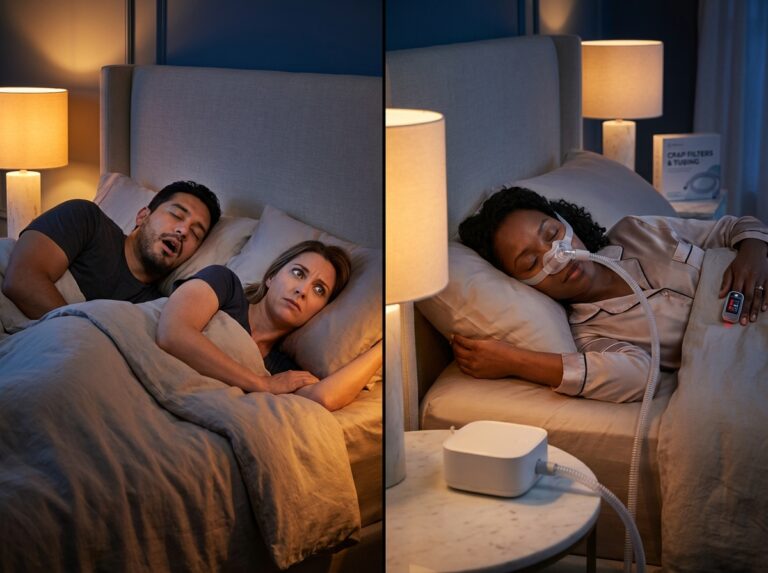
- Witnessed pauses in breathing by a partner.
- An AHI score higher than 30 from a sleep study.
- High blood pressure that does not respond well to medication.
- Existing conditions like atrial fibrillation or heart failure.
- A history of stroke or mini strokes.
- Severe chest pain or shortness of breath upon waking.
If you recognize these features in yourself, you should seek an evaluation with a sleep clinician immediately. The physiological damage from OSA is cumulative. Every night of untreated sleep adds more stress to your heart and brain. Understanding these risks is the first step toward protecting your long term health. The next step is looking at how modern therapy can reverse these trends and lower your risk profile back toward normal levels.
How CPAP therapy reduces risk and what the evidence shows
CPAP therapy works through a process called airway splinting. The machine provides a steady stream of pressurized air through a mask. This pressure creates a physical barrier that prevents the soft tissues in the throat from collapsing. When the airway stays open, the body does not experience the sudden drops in oxygen that trigger a stress response. This allows the heart rate to remain stable throughout the night. It also lets the brain move through all the necessary stages of sleep without interruption. This restoration of sleep architecture is why people feel more rested. It stops the repeated spikes in the sympathetic nervous system. These spikes are what usually drive up blood pressure and heart strain during the night.
The Evidence from Clinical Trials
Recent data from 2024 and 2025 provides a clearer picture of how this treatment affects long term health. We often look at the SAVE trial when discussing heart health. This study found that CPAP did not significantly reduce heart attacks or strokes in the general group. However, the details tell a different story. Patients who used their machines for at least four hours every night saw a 25 percent reduction in major cardiovascular events. This highlights a critical point in sleep medicine. The treatment only works if you use it. Observational studies and real world evidence continue to show that consistent use protects the heart. A 2025 meta analysis confirmed that mortality risks drop significantly when patients stick to their therapy. This is especially true for those with severe obstructive sleep apnea.
Mortality Risk and Treatment Impact
Untreated severe sleep apnea carries a high risk. Research indicates that people with severe cases are three times more likely to die than those without the condition. You can read more about these findings in this Study Shows That People with Sleep Apnea Have High Risk of Death. When CPAP is used correctly, this risk profile changes. The hazard ratio for all cause mortality drops when adherence is high. This means the treatment effectively counters the damage caused by repeated breathing pauses.
Improvements in Cardiovascular Markers
CPAP therapy has a direct impact on several key health markers. Blood pressure is one of the most responsive areas. Most patients see a small to moderate reduction in their daily readings. This effect is much stronger for people with resistant hypertension. In these cases, systolic blood pressure can drop by as much as 10 mmHg. This reduction is enough to lower the overall risk of stroke and heart failure. The therapy also helps manage heart rhythms. Studies show that CPAP reduces the recurrence of atrial fibrillation after medical procedures by 40 to 60 percent. It stabilizes the electrical activity of the heart by preventing oxygen desaturation and pressure swings in the chest cavity.
Metabolic health also sees some benefits. The results for glucose metabolism are variable across different studies. Some patients see improved insulin sensitivity. Others may not see a significant change in their A1c levels from CPAP alone. However, the reduction in systemic inflammation is a consistent finding. Lowering inflammation helps protect the blood vessels from long term damage. This endothelial protection is vital for preventing the buildup of plaque in the arteries.
The Importance of Adherence and Dose Response
There is a clear relationship between how much you use the machine and the benefits you receive. This is known as a dose response. Using the machine for four hours is the standard minimum for insurance companies. However, using it for six or seven hours provides much better protection for the heart. Every extra hour of use correlates with a further reduction in risk markers. Patients who use CPAP for the full duration of their sleep see the greatest improvements in daytime sleepiness and quality of life. They also experience more stable blood pressure throughout the following day.
| Nightly CPAP Use | Observed Health Benefits |
|---|---|
| Less than 4 hours | Improved daytime alertness but limited heart protection |
| 4 to 6 hours | Significant reduction in cardiovascular event risk |
| More than 6 hours | Maximum reduction in blood pressure and inflammation |
Beyond CPAP: Weight Management and Alternatives
While CPAP is the gold standard, it is not the only factor in managing risk. Weight loss can significantly reduce the number of times you stop breathing. For some people with mild sleep apnea, losing ten percent of their body weight can lead to a major improvement in symptoms. However, weight loss rarely cures severe sleep apnea because the condition is often tied to the physical structure of your throat and jaw. You should continue using your CPAP while you work on weight loss. Your doctor can re-evaluate your needs with a new sleep study if you achieve a significant weight milestone.
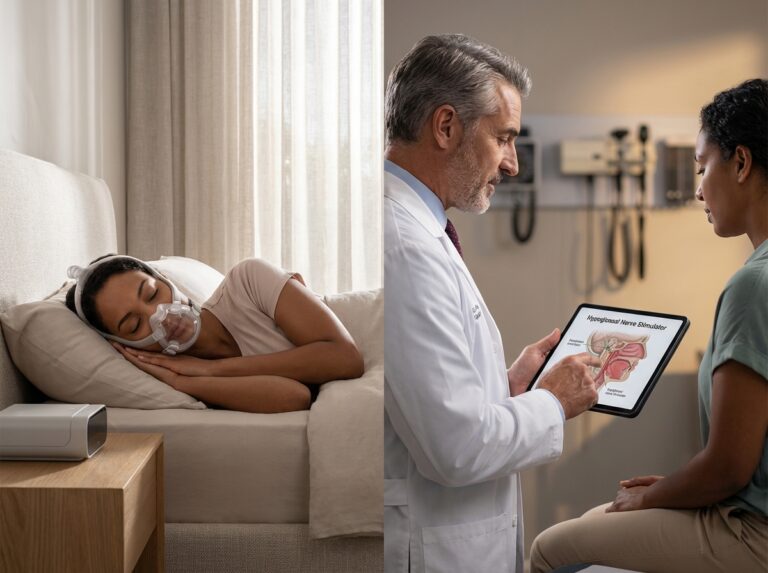
For those who cannot tolerate CPAP, alternatives exist. Oral appliances made by specialized dentists can help by holding your jaw forward to keep the airway open. These are often effective for mild to moderate cases. There are also surgical options, such as the Inspire implant, which stimulates the tongue to stay out of the way. Some people find success with positional therapy, which prevents them from sleeping on their backs. You should discuss these alternatives with a sleep doctor to ensure they are appropriate for your specific anatomy and severity level.
Practical Guidance for Patients and Clinicians
CPAP remains the first line treatment for moderate to severe obstructive sleep apnea. It is also the primary choice for anyone experiencing significant symptoms like daytime fatigue. For borderline cases, shared decision making is essential. Doctors and patients should discuss the specific risks and lifestyle factors involved. The goal is to create a plan that the patient can actually follow. Monitoring adherence objectively through machine data is a standard part of modern care. This allows for quick adjustments if the patient is struggling with the equipment.
Key Takeaways for Managing Risk
Prioritize a formal diagnosis if you show symptoms of sleep apnea. Start CPAP therapy immediately if it is indicated by your sleep study. Monitor your usage data to ensure you are hitting the four hour minimum. Treat other conditions like high blood pressure and obesity alongside your sleep therapy. This comprehensive approach provides the best defense against the long term risks of the condition. While some research gaps remain regarding specific metabolic outcomes, the cardiovascular benefits for adherent users are well supported by current evidence. Consistent use every night is the most effective way to protect your health and improve your daily energy levels.
Make CPAP comfortable and effective every night Practical tips and best accessories
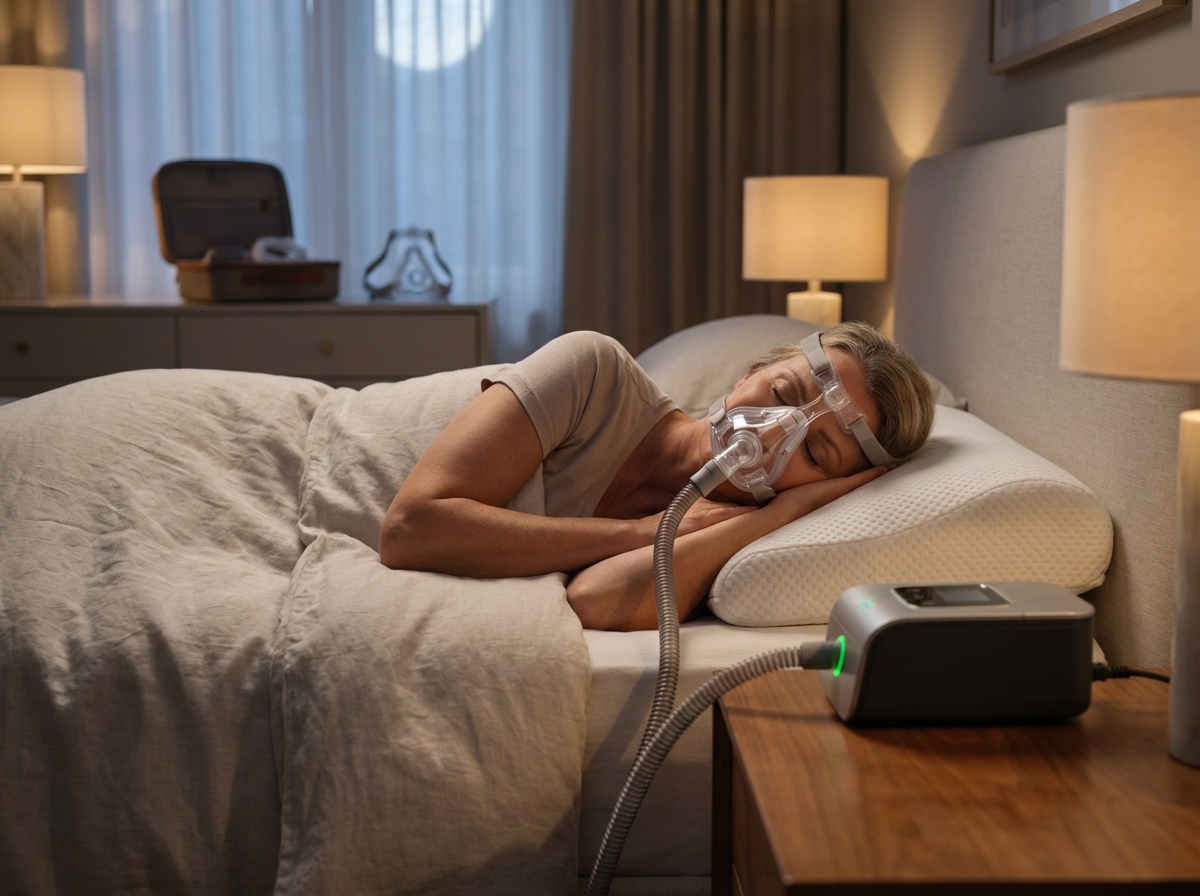
The success of your treatment depends on the equipment you choose. Modern technology offers several types of machines to keep your airway open. Fixed pressure machines deliver one steady stream of air all night. These are reliable but some people find them hard to use at high settings. Auto-adjusting machines or APAP units change the pressure based on your breathing patterns. They provide less pressure when you are on your side and more when you are on your back. This flexibility often improves comfort. Bilevel machines use two distinct pressures. One pressure is for inhalation. A lower pressure is for exhalation. These are helpful for patients who require very high pressure or have trouble breathing out against the machine. Travel machines are small and portable. They are convenient for trips but may lack the advanced humidification of home units.
Finding the right mask is the most important step in your journey. There are three primary designs to consider. Nasal pillows are the smallest option. They rest at the entrance of your nostrils. These are excellent for people who feel claustrophobic or have facial hair. They might cause irritation if your pressure settings are very high. Nasal masks cover the entire nose. They offer a stable seal for many users. Full face masks cover both the nose and the mouth. These are necessary if you breathe through your mouth during sleep. A poor fit leads to air leaks. Leaks can blow into your eyes or prevent the machine from reaching the target pressure. You should use a sizing guide to measure the width of your nose and the distance to your chin. It is a good rule of thumb to try a new mask for at least two weeks before deciding to switch to a different style.
Essential features for nightly comfort
Heated humidification is a vital tool for preventing a dry nose or throat. It adds moisture to the air stream. Heated tubing works with the humidifier to prevent condensation from forming inside the hose. This prevents the splashing sound often called rainout. Ramp settings allow the machine to start at a very low pressure. The pressure increases slowly over twenty or thirty minutes as you fall asleep. Expiratory pressure relief features like C-Flex or EPR reduce the air flow when you breathe out. This makes the therapy feel more natural. You can also use mask liners or gel pads to protect your skin. These accessories reduce redness and help create a better seal. Special CPAP pillows have cutouts on the sides. These gaps prevent the pillow from pushing your mask out of place when you sleep on your side.
Adapting to the equipment takes time and patience. You should practice wearing the mask during the day while you are awake. Put it on while you watch television or read a book. This helps your brain get used to the sensation of the mask without the pressure of trying to sleep. When you start using the machine at night, use the ramp feature to ease into the pressure. If you feel claustrophobic, try wearing just the mask without the hose for short periods. Consistency is the key to long term health. You should aim for an average of more than four hours of use every night. This is the minimum threshold required to see significant improvements in your heart health and daytime energy levels. Recent data suggests that nearly 1 billion people worldwide deal with some form of sleep apnea. Many of them find success by following a slow and steady adaptation plan.
Maintenance and troubleshooting routines
Keeping your equipment clean ensures it remains effective. You should wash your mask cushion every day with mild soap and water. This removes skin oils that break down the silicone. The water chamber should be emptied and dried daily to prevent mineral buildup. You should replace your mask cushions every three months. Old cushions lose their shape and start to leak. Headgear and hoses should be replaced every six months. Filters are critical for keeping dust out of your lungs. Standard filters should be changed once a month. Ultra fine filters may need replacement every few weeks if you have allergies. If you experience a dry nose, you can use a saline nasal spray or increase the humidifier setting. If you swallow air and feel bloated, you may need to adjust your ramp settings or talk to your doctor about lowering the pressure.
Navigating Insurance and Logistics
Most insurance plans in the United States cover CPAP machines and the necessary supplies like masks and filters. They typically require a confirmed diagnosis from a sleep study first. You will likely need to prove that you are using the machine regularly for the insurance to continue paying for it. This is why tracking your adherence data is so important. Check with your provider to see which specific models and mask types are included in your plan. Most plans also cover replacement parts on a regular schedule to ensure your therapy remains effective.
Strategies for long term adherence
Your environment plays a large role in your success. Establish a relaxing bedtime routine that includes putting on your mask at the same time every night. Support from a partner can make a big difference in staying motivated. Many modern machines have built in cellular modems. These allow your durable medical equipment provider or sleep therapist to monitor your progress remotely. They can see if your mask is leaking or if your pressure needs to be adjusted. If you are struggling, do not wait for your next annual appointment. Seek a mask refit or a pressure re-titration if you cannot sleep through the night. The number of people needing these services is growing. Experts estimate that there will be nearly 77 million U.S. adults with sleep apnea by 2050. This means there are more resources and support groups available than ever before. Using your machine every night is a commitment to your future health. Small adjustments to your gear can turn a difficult experience into a comfortable habit.
| Accessory Item | Replacement Schedule | Primary Benefit |
|---|---|---|
| Mask Cushion | Every 3 Months | Maintains a tight seal and prevents skin irritation |
| Machine Filters | Every 1 Month | Protects the motor and ensures clean air intake |
| Heated Tubing | Every 6 Months | Prevents bacteria growth and maintains air temperature |
| Headgear Straps | Every 6 Months | Ensures the mask stays centered without over-tightening |
Managing common side effects
Nasal congestion is a frequent complaint for new users. Using a heated humidifier usually solves this problem. If you still feel congested, a nasal saline rinse before bed can help. Skin irritation often happens when the mask is too tight. Instead of tightening the straps, try a different size or a mask liner. Aerophagia is the term for swallowing air. This causes gas and discomfort in the morning. Lowering the starting pressure or using a bilevel machine can often fix this issue. If the noise of the machine bothers you, place it slightly below the level of your ears. Most modern devices operate at less than 26 decibels. This is quieter than a whisper. If you see water in your mask, your humidifier setting is too high for the room temperature. Lower the setting or use a hose cover to keep the air warm.
Checklist for Long-Term Success
If you suspect you have sleep apnea, you should take action immediately. Do not wait for a major health event to occur. Follow these steps to protect yourself.
- Watch for danger signals. These include loud snoring, gasping for air during sleep, and extreme daytime sleepiness.
- Get a professional sleep test. Home sleep tests are now very accurate and convenient for most people.
- Start CPAP therapy if your doctor recommends it. Do not delay the start of your treatment.
- Optimize your equipment. Work with your provider to find a mask that does not leak or cause skin irritation.
- Use the comfort features. Turn on the heated tubing to prevent condensation. Use the expiratory pressure relief to make breathing out feel more natural.
- Monitor your data. Most modern machines have apps that show you how many hours you used the device and how many events you had.
- Address side effects early. If you have a dry mouth or a stuffy nose, adjust your humidifier settings right away.
- Schedule regular follow ups. Your pressure needs can change over time if your weight or health status changes.
Sources
- Obstructive Sleep Apnea Expected to Affect Nearly 77 million U.S. … — The study estimates that by 2050, OSA will affect nearly 77 million U.S. adults, representing a relative1 increase of nearly 35% from 2020 and …
- Projecting the 30-year burden of obstructive sleep apnoea in the USA — Projections indicate that obstructive sleep apnoea will affect 76·6 million adults aged 30–69 years across the USA in 2050, with a …
- 2025 Sleep Apnea Statistics: Prevalence, Risks, & Key Facts — Recent estimates suggest nearly 1 billion people have sleep apnea worldwide, with 936 million cases of Obstructive Sleep Apnea alone.
- National trends in mortality associated with obstructive sleep apnea … — A total of 79,728 deaths were attributed to diabetes and OSA. The overall AAMR was 1.55 (95 % CI: 1.50 to 1.60), increasing significantly from …
- Study Shows That People with Sleep Apnea Have High Risk of Death — About 19 percent of participants with severe sleep apnea died (12 deaths), compared with about four percent of participants with no sleep apnea …
Legal Disclaimers & Brand Notices
The content provided in this article is for informational purposes only and does not constitute professional medical advice, diagnosis, or treatment. Always seek the advice of your physician or other qualified health provider with any questions you may have regarding a medical condition. Never disregard professional medical advice or delay in seeking it because of something you have read in this article.
All product names, logos, and brands are property of their respective owners. All company, product, and service names used in this article are for identification purposes only. Use of these names, logos, and brands does not imply endorsement.