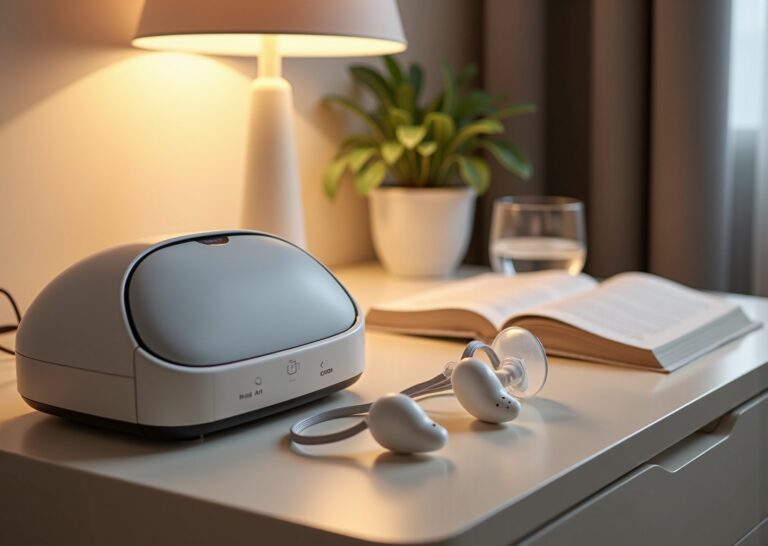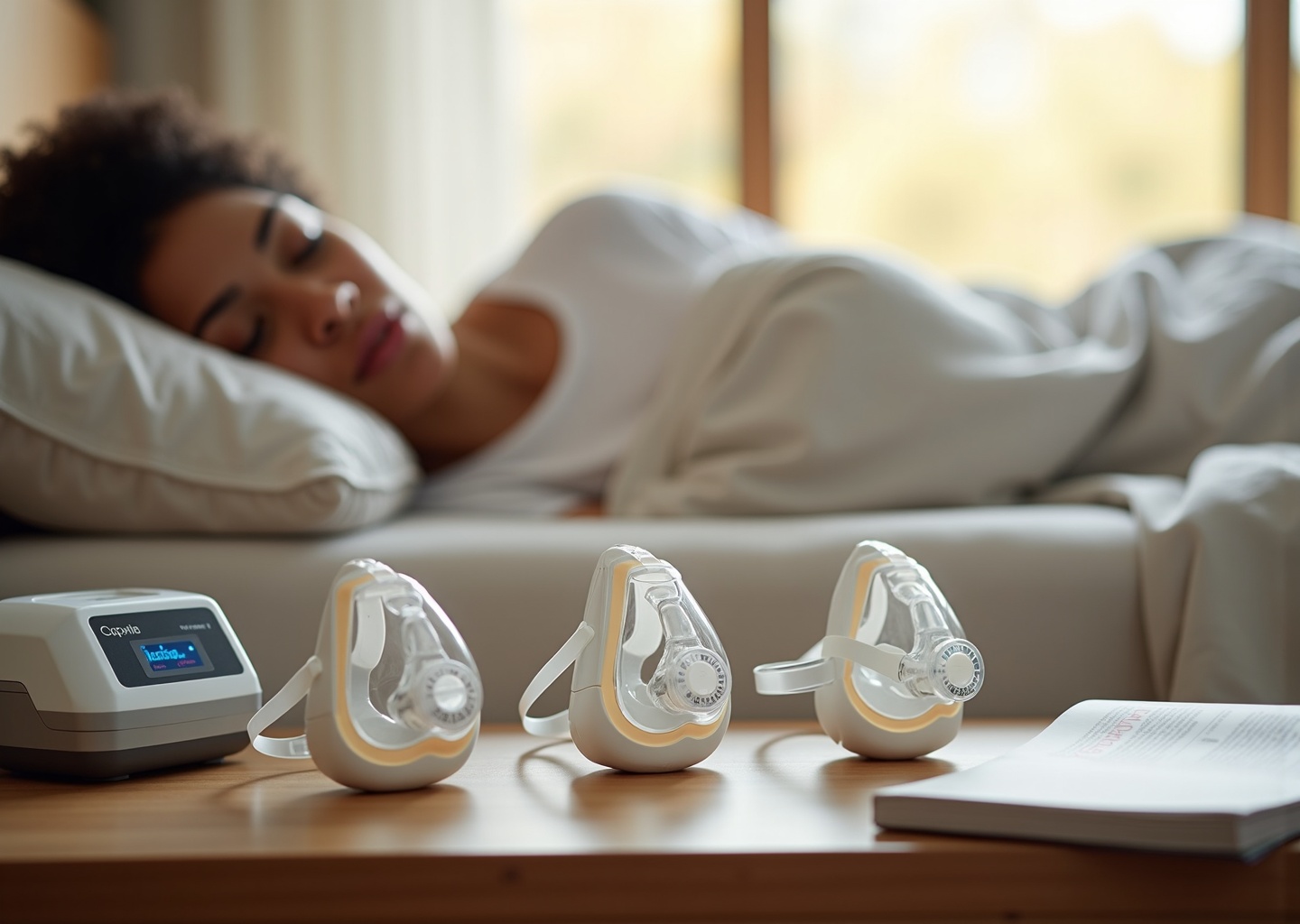
Choosing the right CPAP mask—full face, nasal, or nasal pillows—shapes comfort, seal, and therapy effectiveness. This article compares mask types, explains fit and pressure considerations, guides selection by sleep habits and anatomy, and gives practical tips for fitting, maintenance, and accessory choices. Read on to find the mask that boosts compliance so you sleep better and protect your long-term health.
Why mask choice matters for successful CPAP therapy
Navigating the world of CPAP masks can feel overwhelming at first, but it really boils down to three main families. Each is designed with a different type of sleeper and breather in mind. Understanding their core differences in design, function, and feel is the first practical step toward finding the one that will make your therapy successful. Let’s break down the options to see which style might be your perfect match.
Full-Face Masks
A full-face mask, also known as an oronasal mask, is exactly what it sounds like. It’s a triangular or rounded cushion that covers both your nose and mouth, creating a single, large seal against your face. This design makes it the go-to choice for anyone who breathes through their mouth during sleep, whether out of habit or due to issues like chronic nasal congestion, allergies, or a deviated septum. Because it delivers air to both airways, you don’t have to worry about losing pressure if your mouth falls open. This comprehensive coverage also makes it very stable, which is a significant advantage for people on higher CPAP or BiPAP pressure settings (e.g., above 12-15 cm H2O), as the larger surface area helps distribute the pressure and maintain a better seal.
- Pros: Excellent for mouth breathing; provides a stable seal at high pressures; effective during periods of nasal congestion.
- Cons: The largest and most intrusive design, which can trigger claustrophobia; more potential for leaks due to the large seal perimeter; can make it difficult to wear glasses; facial hair can easily compromise the seal; more contact points mean a higher risk of red marks or skin irritation.
Leading examples include the ResMed AirFit F20 and the Fisher & Paykel Vitera, both known for their adaptive cushion technology.
Nasal Masks
A nasal mask is a popular middle-ground option. It’s smaller than a full-face mask and is designed to cover only your nose, typically sealing from the bridge down to the area just above your upper lip. This style is ideal for people who naturally breathe through their nose and don’t struggle with frequent mouth breathing. Because it leaves your mouth free, it feels much less restrictive and provides a clear line of sight, making it easy to read a book or watch TV before falling asleep. Side sleepers often find them comfortable and stable.
- Pros: Less bulky and claustrophobic than a full-face mask; provides a clear line of sight for pre-sleep activities; generally very stable and reliable for nasal breathers.
- Cons: Not suitable for dedicated mouth breathers, as significant mouth leaks will compromise therapy (a chin strap may be required); can cause pressure sores or discomfort on the bridge of the nose.
Popular models like the ResMed AirFit N20 and the Philips DreamWisp are praised for their soft cushions and minimal headgear.
Nasal Pillow Masks
For those who want the most minimal experience possible, there are nasal pillow masks. This design doesn’t cover your nose at all. Instead, it features two small, soft cushions, or “pillows,” that insert gently into the nostrils to create a direct seal. This makes them incredibly lightweight and low-profile, a fantastic solution for anyone who feels claustrophobic in a larger mask. With almost no facial contact, they are the best option for people with beards or mustaches, as facial hair doesn’t interfere with the seal. Active sleepers love them because there’s very little to get tangled or dislodged when they toss and turn.
- Pros: Minimal facial contact, reducing the risk of skin irritation and red marks; excellent for users with beards or mustaches; provides an unobstructed field of vision; lightweight and ideal for travel and active sleepers.
- Cons: The direct airflow into the nostrils can feel intense or cause dryness for some; can cause soreness at the nares if not sized correctly; may become dislodged more easily than other types for very restless sleepers on high pressures.
The ResMed AirFit P10 is a classic example, known for being exceptionally light and quiet.
A Note on Hybrid Designs and Innovations
The lines between these categories are blurring as hybrid masks become a popular fourth category. These masks combine features to solve common problems. For instance, the ResMed AirFit F30i covers the mouth like a full-face mask but uses a minimal under-the-nose cushion instead of covering the nasal bridge, pairing it with a top-of-the-head tube connection. This design is great for active sleepers who are mouth breathers but hate the feeling of a traditional full-face mask. These innovative designs offer more personalized solutions, so if one of the main three types doesn’t feel quite right, a hybrid might be the answer. All modern masks, regardless of type, are designed to be fully compatible with standard heated humidifiers and tubing, which are essential for improving comfort and reducing dryness.
Fit comfort and pressure troubleshooting
Getting your mask to fit just right is the key to successful CPAP therapy. It’s a process of small adjustments and learning what your face needs. Think of it less as a one-time setup and more as an ongoing conversation between you, your mask, and your machine. This guide will walk you through the steps to achieve a perfect seal and troubleshoot the common issues that can get in the way of a good night’s sleep.
Your Step-by-Step Fitting Checklist
A great fit starts before you even turn the machine on. Follow these steps, ideally in front of a mirror, to get the best initial seal. Remember to perform the final checks while lying down, as gravity changes the shape of your face.
- Seat the Cushion Correctly. Hold the mask cushion to your face without the headgear. For a nasal or full face mask, ensure it rests comfortably without pinching your nostrils or pressing into the bridge of your nose. For nasal pillows, the cushions should sit gently at the entrance of your nostrils, not pushed far inside. There should be no visible gaps between the cushion and your skin.
- Position the Headgear. Pull the headgear over your head. It should feel secure but not tight. Most headgear has top and bottom straps. Connect the bottom straps first, then adjust the top ones. The goal is a balanced, even pressure.
- Adjust Headgear Tension. This is where most people go wrong. Overtightening is the number one cause of leaks and red marks. The straps should be just tight enough to create a light seal. You should be able to comfortably slide a finger between a strap and your face. Think of it as a gentle hug, not a clamp.
- Align Forehead Support. If your mask has a forehead support or stability arm, adjust it so it rests lightly against your forehead. This helps distribute pressure away from the sensitive bridge of your nose and stabilizes the mask.
- Perform a Breathing Test. Lie down in your typical sleeping position. Turn on your CPAP machine. Take a few normal breaths in and out. The cushion should gently inflate and seal against your skin. Turn your head from side to side to see if the seal holds. If you feel air escaping, make tiny adjustments to the mask position or strap tension, not big ones.
Solving Common Fit and Comfort Problems
Even with a good initial fit, you might run into issues. Here’s how to tackle the most common ones.
Escape Leaks
A small, intentional leak from the mask’s vent is normal. A large, noisy leak that blows into your eyes is not. If your machine’s data shows a high leak rate (often flagged when over 24 L/min), it’s time to investigate. First, try repositioning the mask. If that doesn’t work, slightly tighten the top headgear straps. If leaks persist, your cushion might be the wrong size or worn out. A “fit pack” with multiple cushion sizes can help you find the perfect match. Sometimes, facial oils can break the seal; cleaning your cushion daily is essential. Mask liners made of soft fabric can also absorb oils and fill small gaps to improve the seal.
Red Marks and Pressure Points
Waking up with temporary strap marks is one thing; waking up with deep, painful red sores is another. This is almost always a sign of overtightening. Loosen your headgear. If loosening it causes leaks, you may need a different mask style or size. For pressure on the bridge of your nose, try a mask with a different cushion shape, like an under-the-nose cradle, or use gel pads designed for that area. Memory foam cushions, like those on the ResMed AirTouch series, can also conform better to your facial contours and reduce pressure.
Mask Lift on Exhalation
If you feel your mask lifting off your face every time you breathe out, your pressure setting might be high. This is more common with nasal pillows at pressures above 12-15 cm H2O. While modern pillows can handle higher pressures, some people find a nasal or full face mask provides a more stable seal. You can also check your machine’s “ramp” feature, which starts the pressure low and gradually increases it, giving you time to fall asleep before the full pressure kicks in.
Claustrophobia
Feeling closed-in is a major barrier for many new users. If a full face mask feels overwhelming, a nasal mask is a good step down. If that’s still too much, a nasal pillow mask is the most minimal option available. Masks with top-of-the-head tube connections also help by keeping the hose out of your line of sight. Practicing wearing the mask for short periods during the day while watching TV can help you get used to the feeling.
How Pressure Settings Influence Your Mask Choice
Your prescribed pressure plays a big role in which mask will work best. A high, fixed CPAP pressure acts like a constant force pushing against the mask. Fuller coverage masks, like nasal and full face styles, have a larger surface area and more robust headgear, which helps them stay sealed against that force.
An APAP (Auto-adjusting Positive Airway Pressure) machine, which changes pressure throughout the night, can reveal a mask’s limitations. A mask might seal perfectly at 8 cm H2O but start leaking when the machine ramps up to 15 cm H2O to treat an apnea event. If your APAP data shows leak spikes that correspond with pressure increases, your mask may not be stable enough for your therapeutic needs.
Keeping Your Gear in Top Shape: Cleaning and Replacement
Your mask components are not meant to last forever. They are made of soft materials that break down over time, losing their ability to seal effectively and becoming a breeding ground for bacteria. For cleaning, a simple routine works best. Daily, wipe the mask cushion with a damp cloth or a CPAP-specific wipe to remove skin oils. Weekly, disassemble your mask and wash the cushion, frame, and headgear in a basin of warm water with a few drops of mild dish soap. Rinse everything thoroughly and let it air dry away from direct sunlight. Avoid using bleach, alcohol, or harsh chemicals, as they can damage the materials.
Follow this general replacement schedule, which is often aligned with insurance coverage:
- Cushions/Pillows: Replace every 1 to 3 months. Silicone and gel lose their shape and suppleness, while memory foam can absorb facial oils and degrade.
- Headgear: Replace every 6 months. The elastic straps stretch out, forcing you to overtighten them to get a seal, which leads to discomfort.
- Mask Frame: Replace every 6 to 12 months. While more durable, frames can develop microcracks over time.
- Machine Filters: Replace disposable filters monthly. Wash and air-dry reusable filters weekly. A clean filter protects both you and your machine’s motor.
When to Call for Backup
You don’t have to solve every problem on your own. Reach out to your DME (Durable Medical Equipment) supplier or sleep clinician if you experience any of the following:
- Uncontrolled Leaks: If you’ve tried all the troubleshooting tips and your leak rate is still high.
- Skin Breakdown: Persistent red marks that don’t fade, blisters, or broken skin are serious issues that need immediate attention.
- Persistent Daytime Sleepiness: If you are using your therapy as prescribed but still feel tired, it could be a sign that leaks are making your treatment ineffective.
To make your appointment as productive as possible, come prepared. Keep a simple log for a week. Note your nightly usage hours, leak rate from your machine’s display, and how you felt the next day. Take photos of any red marks on your face in the morning. This documentation gives your clinician the concrete data they need to help you find the perfect solution.
Choosing a mask based on sleep habits anatomy and lifestyle
Your unique sleep habits, facial structure, health, and lifestyle are the most important factors in making a successful choice. Think of this as a personalized fitting guide to help you narrow down the options to the one that feels like it was made for you.
Your sleep position is the first major clue.
- Side Sleepers: You need a mask with a low profile that won’t get pushed aside by your pillow. Nasal pillows and smaller nasal masks are excellent choices. Many modern masks, like the ResMed AirFit N30i or Philips DreamWear series, feature a top-of-the-head tube connection. This design keeps the hose out of your way, allowing you to turn freely without getting tangled or breaking the seal.
- Back Sleepers: You have the most flexibility. Full-face, nasal, and nasal pillow masks can all work well. Your main challenge is ensuring the headgear is secure enough to prevent the mask from sliding, but not so tight that it causes pressure on the back of your head.
- Stomach Sleepers: This is the most challenging position for CPAP therapy. Nasal pillows are often the only practical option because they have the smallest footprint on your face. A full-face or even a traditional nasal mask will likely leak and cause discomfort when pressed into a pillow.
Next, consider your facial anatomy. No two faces are the same, and small differences can have a big impact on mask fit. If you have a beard or mustache, a good seal can be difficult to achieve with a full-face or nasal mask. Nasal pillows, which seal directly at the nostrils, are usually the most effective choice as they bypass facial hair completely. For those with a prominent or very flat nasal bridge, traditional masks can create painful pressure sores. Look for masks with an “under the nose” cushion, such as a hybrid full-face mask, which avoids the sensitive bridge area entirely. Dental work or a sensitive upper lip can also make some masks uncomfortable, so pay attention to where the cushion rests.
Your health profile provides clear direction for your mask choice. This is where a simple decision flow can be incredibly helpful.
- If you are a consistent mouth breather, a full-face mask is your most reliable option. It covers both your nose and mouth, ensuring the pressurized air goes where it needs to, regardless of how you breathe. While a chin strap can be used with a nasal mask to keep your mouth closed, it doesn’t work for everyone and can feel restrictive.
- If you have chronic nasal congestion or a deviated septum that makes nasal breathing difficult, a full-face mask is also the recommended choice. Trying to force air through an obstructed nasal passage with a nasal mask can be uncomfortable and ineffective.
- If you experience claustrophobia, a nasal pillow mask is the best place to start. With minimal facial contact and a clear field of vision, it feels significantly less intrusive than larger masks. You can find a great overview of different styles at Sleep Foundation’s guide to the best CPAP masks.
- If you have COPD or require high-pressure BiPAP therapy, a secure full-face mask is often necessary to handle the higher airflow and prevent leaks, especially during exhalation.
- If you are an active sleeper or have a movement disorder, a mask with top-of-the-head tubing is a game-changer. The swivel connection prevents the hose from pulling on the mask as you move, ensuring a stable seal all night.
Lifestyle factors also play a role. If you travel frequently, the compact and lightweight nature of nasal pillows makes them easy to pack. If you enjoy reading or watching TV in bed, nasal pillows or under-the-nose nasal masks won’t obstruct your vision or get in the way of glasses. For bed partners sensitive to noise or airflow, look for masks with diffused venting, which disperses exhaled air quietly and gently. Finally, consider maintenance. Most silicone cushions should be replaced every 1-3 months, while some memory foam cushions require monthly replacement and have specific cleaning instructions. Be realistic about the replacement schedule you can stick with.
For some, the journey may involve consulting other specialists. Children require pediatric-sized masks, and older adults may need masks with softer materials to protect fragile skin. If you’ve tried multiple masks without success, it may not be a mask issue. An APAP machine, which automatically adjusts pressure, or a BiPAP machine, which provides different pressures for inhalation and exhalation, might be a better fit. Persistent nasal obstruction warrants a visit to an Ear, Nose, and Throat (ENT) specialist, while issues with jaw position might be addressed by a dentist specializing in sleep medicine with a mandibular advancement device.
Finally, commit to a proper trial period. Don’t judge a mask on a single night. Give each new mask at least 3 to 7 consecutive nights to truly assess its performance. During this trial, keep a simple log. Each morning, jot down your machine’s reported leak rate, how many hours you used it, and any comfort issues like red marks or dryness. This objective feedback is incredibly valuable for you and your DME provider to pinpoint the perfect mask and make your therapy both comfortable and effective.
Frequently Asked Questions
You’ve learned about the different mask types and how to match them to your needs. But real-world use always brings up more questions. Here are answers to some of the most common things people ask when fitting, switching, and living with their CPAP mask.
Can I switch mask types safely, and how quickly will I notice a difference?
Yes, switching mask types is perfectly safe and a normal part of optimizing your therapy. Many people try two or three styles before finding their long-term solution. You’ll likely notice differences in comfort, noise, and ease of use on the very first night. It might take a few nights for your therapy data, like your Apnea-Hypopnea Index (AHI) and leak rate, to stabilize as you and your machine adjust to the new seal. If you use an auto-adjusting (APAP) machine, it will adapt its pressure delivery to the new mask’s characteristics. For persistent issues after switching, consult your sleep clinician to review your therapy data.
What is an adequate trial period for a new mask, and what should I track?
A good trial period is between three and seven nights. This gives you enough time to get used to the feel of the new mask and see how it performs as you move in your sleep. During this trial, keep a simple log. Track two types of information. First, the objective data from your CPAP machine or its mobile app, including hours of use, residual AHI (aim for under 5), and your leak rate (most machines flag leaks over 24 L/min as significant). Second, track your subjective experience. How comfortable was it? Did you wake up with a dry mouth? Did you see any red marks or skin irritation? Combining this data gives you a complete picture of how well the mask is working for you.
Can I use nasal pillows if I tend to mouth breathe? What can help?
Using nasal pillows while mouth breathing is a challenge because the air pressure delivered to your nose will escape through your mouth, rendering the therapy ineffective. However, some people successfully use them with a little help. The most common accessory is a chin strap, which provides gentle support to keep your mouth closed during sleep. Another factor is nasal congestion, which often forces people to breathe through their mouths. Using a heated humidifier and heated tubing can significantly reduce nasal dryness and congestion, making it easier to breathe through your nose all night. If these solutions don’t work, a full-face mask that covers both the nose and mouth is usually the most reliable option for dedicated mouth breathers.
Will my insurance cover a new mask or trial period? What documentation helps?
Most insurance plans, including Medicare, cover CPAP masks and replacement supplies on a regular schedule, but only if you meet their adherence criteria. This typically means using your device for at least four hours per night on 70% of nights. Many DME suppliers offer a 30-day mask exchange program, allowing you to swap a mask if it doesn’t work out. To get coverage, you’ll always need a valid prescription. For replacements or a new mask style, documentation of problems like high leak rates or skin sores helps establish medical necessity. Your machine’s compliance report is the most critical piece of evidence. Insurance policies vary widely, so always check your specific plan details and talk directly with your DME provider about coverage.
What travel masks or compact options are recommended for frequent flyers?
Traveling with a CPAP is much easier today thanks to compact options. Nasal pillow masks, like the ResMed AirFit P10, are a traveler’s favorite because they are incredibly lightweight and take up almost no space in a bag. For those who need more coverage, some modern nasal and full-face masks are designed with a lower profile. If you have a travel-specific CPAP machine like the ResMed AirMini, it has its own line of compatible masks and setup kits designed for portability. A key tip for air travel is to always pack your CPAP and mask in your carry-on luggage to avoid loss or damage.
Key takeaways and next steps for better CPAP comfort and compliance
You’ve learned about the different mask types, their pros and cons, and how to troubleshoot common issues. Now it’s time to turn that knowledge into action. Getting comfortable with your CPAP therapy is a process of small, consistent adjustments. This final chapter provides a clear roadmap to help you find lasting comfort and make your treatment as effective as possible.
Your journey to successful CPAP therapy starts with these prioritized steps. Follow them in order to build a solid foundation for comfort and compliance.
- Get a Professional Mask Fitting.
This is the most critical first step. Don’t rely on guessing your size from an online chart. Visit your durable medical equipment (DME) provider and have a trained technician measure your face. They can provide sizing templates specific to different mask models and let you feel the materials. A proper fitting prevents most of the common problems like leaks and pressure sores before they even start. - Commit to a Real-World Trial.
A mask that feels good for five minutes in a brightly lit office might feel completely different when you’re lying down in the dark. Plan to try at least two different mask types, like a nasal mask and a full face mask, for several nights each. A trial period of 3 to 7 nights per mask gives you a true sense of how it performs during sleep, especially as you change positions. - Use Your Humidifier.
Pressurized air can be drying and irritating to your airways. Using your CPAP machine’s heated humidifier is one of the easiest ways to improve comfort. It adds moisture to the air, which can reduce nasal irritation, dry mouth, and congestion. Start with a medium setting and adjust it until you feel comfortable. - Schedule a Follow-Up.
Don’t wait until you have a major problem. Schedule a follow-up appointment with your sleep doctor or clinician within the first 30 to 90 days of starting therapy. This meeting is your chance to review your device data, discuss any comfort issues, and make informed adjustments to your mask or pressure settings.
Sometimes, the right mask just needs a little help from the right accessory. Here is a checklist of common add-ons and when you might need them.
-
Mask Liners
These are soft fabric barriers that sit between the mask cushion and your skin. Consider using them if you experience minor leaks around the edges of the cushion, skin irritation, red marks, or sweating under the silicone. -
Chin Straps
If you use a nasal or nasal pillow mask but find yourself waking up with a dry mouth, you are likely breathing through your mouth. A chin strap is a simple elastic band that helps keep your mouth closed, directing the airflow through your nose as intended. -
Padded Headgear or Strap Covers
If the headgear straps are digging into your cheeks or the back of your head, soft fleece covers can provide a layer of cushioning. They distribute the pressure more evenly and can prevent strap marks and discomfort. -
Travel-Specific Masks and Machines
For frequent flyers, a compact travel CPAP and a corresponding lightweight mask, often a nasal pillow model, can make therapy on the go much easier. These systems are designed to be portable without sacrificing performance.
To know if your therapy is working, you need to track your progress. Combine the objective data from your machine with your own subjective feelings.
Your Device Data
Your CPAP machine’s app or software provides valuable insights. Focus on these three key metrics.
- Hours of Use. The goal is to use your CPAP for every hour you are asleep. For insurance compliance and health benefits, the minimum target is typically 4 hours per night on at least 70% of nights.
- Mask Leak. All masks have some intentional leak, but you want to minimize unintentional leaks. Your machine measures this in liters per minute (L/min). A consistent leak rate below 24 L/min is generally considered good.
- Residual AHI. Your Apnea-Hypopnea Index (AHI) is the number of breathing events per hour. The goal of therapy is to lower this number. A residual AHI below 5 is the standard target for successful treatment.
Your Symptom Diary
The numbers only tell part of the story. How you feel is just as important. Keep a simple log of your symptoms.
- Daytime Sleepiness. Are you feeling more alert during the day?
- Morning Headaches. Are your morning headaches disappearing?
- Dry Mouth or Nose. Note any persistent dryness or irritation upon waking.
Even with the best efforts, you may need to escalate your care. Contact your sleep team or DME provider immediately if you experience any of the following.
- You cannot meet the minimum 4 hours of use per night after trying different masks and comfort strategies.
- You develop skin breakdown, blisters, or sores that do not heal.
- Your device consistently reports a high leak rate despite your best efforts to adjust the fit.
- Your daytime sleepiness does not improve even though your device shows good usage and a low AHI.
Finding the perfect CPAP setup is a partnership between you and your care team. Use your device data and symptom diary to have productive conversations with your DME provider and sleep specialist. If nasal congestion is a persistent barrier, an Ear, Nose, and Throat (ENT) specialist can help.
Your health is worth the effort. Committing to CPAP therapy is one of the most powerful things you can do to protect your cardiovascular health, improve your energy, and enhance your quality of life. Be patient with yourself, be persistent in trying new solutions, and work with your support team. A comfortable and effective night of therapy is within your reach.
References
- Best CPAP Masks in 2025 – Alpine Home Medical — Looking for the best CPAP masks in 2025? Compare nasal, full-face, and nasal pillow CPAP masks, discover top-rated options, and learn how to …
- CPAP Mask Types | SleepApnea.org — Most Popular Types of CPAP Masks. There are three main types of CPAP masks: full-face, nasal, and nasal pillow masks. Full-Face CPAP Mask.
- Common Types of CPAP Masks in 2025 – Blog — CPAP Mask Options · 1. CPAP Nasal Masks · 2. CPAP Full Face Masks · 3. Nasal Pillow CPAP Masks · 4. Hybrid CPAP Masks · 5. Oral CPAP Masks · 6. CPAP Total Face Masks.
- Best CPAP Masks of 2025: Expert Reviewed and Rated — In this guide, we'll introduce you to our top picks of the year and walk you through what you need to know before you buy.
- CPAP Masks | Find the Best Fit for You – Resmed — Explore Resmed's industry-leading CPAP masks for sleep apnea. Designed to be comfortable and effective, they ensure a secure fit to keep your airway open.
- Best Rated CPAP Machines (2025 Guide) — Discover the best CPAP machines for 2025 to manage sleep apnea symptoms, improve sleep quality, and reduce health risks with expert device …
- Top CPAP Machines of 2025: Expert Picks and Reviews – iSLEEP — Shopping for a CPAP machine in 2025? Discover expert reviews of the best models, including ResMed AirSense 11, AirMini, and budget-friendly …
- Which CPAP masks are best for you? – Mayo Clinic — There are a variety of CPAP masks available to find the best fit for you. Everyone has different needs, preferences and face shape.
Legal Disclaimers & Brand Notices
Medical Disclaimer: The content provided in this article is for informational purposes only and is not intended to be a substitute for professional medical advice, diagnosis, or treatment. Always seek the advice of your physician, sleep specialist, or other qualified health provider with any questions you may have regarding a medical condition, CPAP therapy, or the suitability of specific medical equipment.
Trademark Acknowledgement: All product names, logos, and brands mentioned in this article are the property of their respective owners. The use of these names, trademarks, and brands (including, but not limited to, ResMed, Philips, and Fisher & Paykel) is for identification and informational purposes only and does not imply endorsement or affiliation with the content publisher.