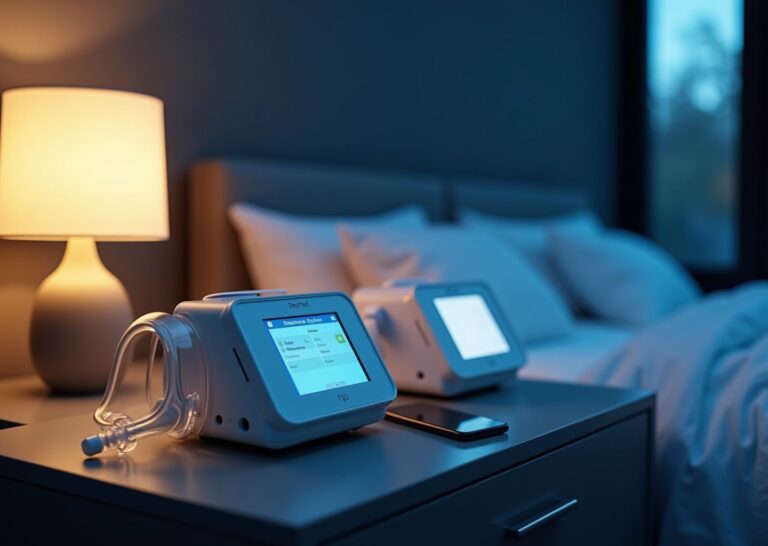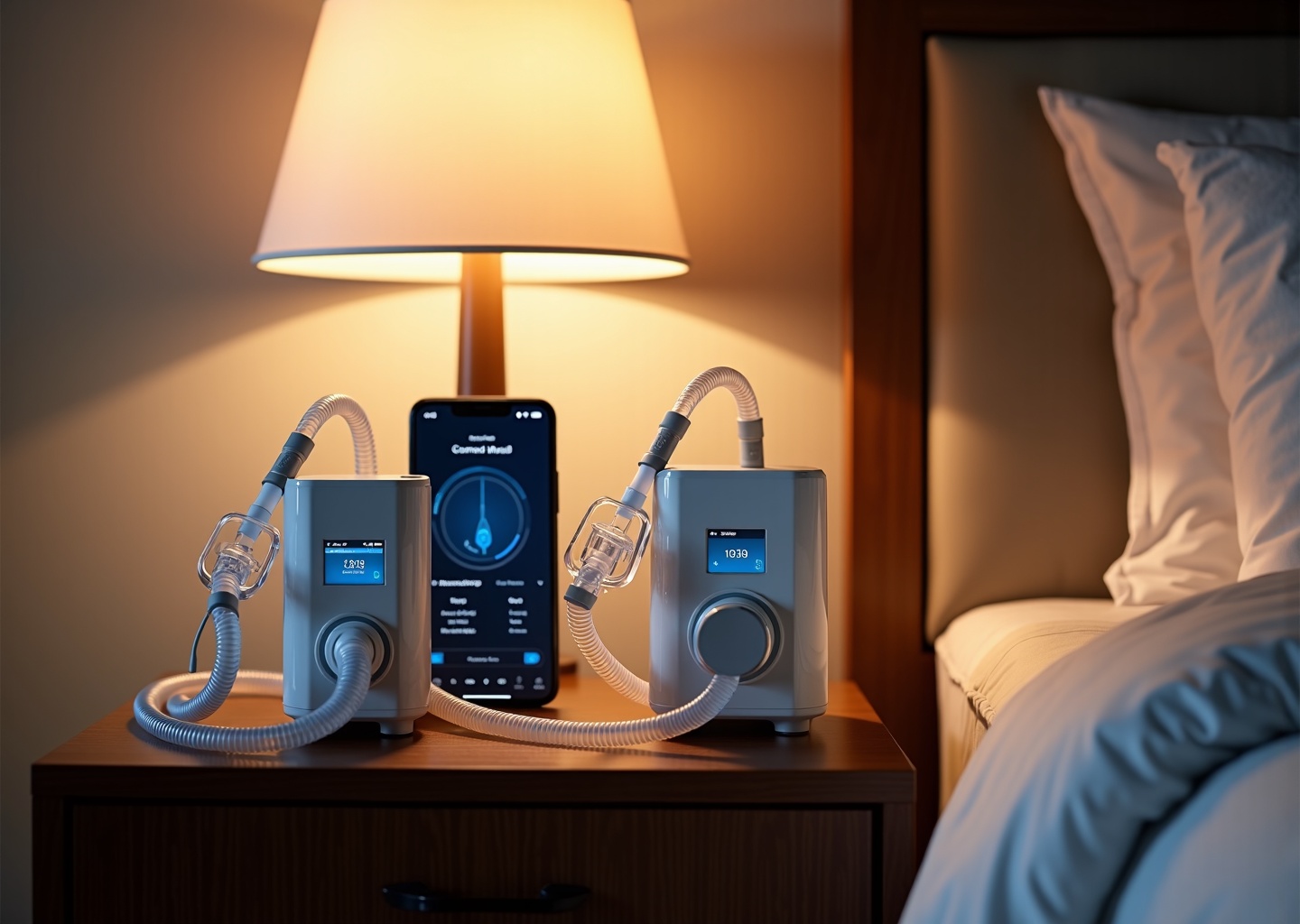
Choosing between ResMed AirSense 10 and AirSense 11 affects comfort, compliance, and therapy outcomes. This detailed comparison examines design, comfort features, therapy algorithms, connectivity, maintenance, accessories, and cost so you can decide which model fits your needs. You’ll also get practical mask fitting, humidification, and travel tips to optimize nightly CPAP therapy and improve sleep health.
At a glance key differences and who each model is for
When you’re standing at the crossroads of choosing a new CPAP machine, the decision between the ResMed AirSense 10 and the AirSense 11 can feel overwhelming. Both are excellent devices, but they cater to slightly different needs and priorities. Think of the AirSense 10 as the trusted veteran. Released back in 2014, it became the gold standard for years, known for its rock-solid performance and reliability. It’s the machine many long-term CPAP users are familiar with. The AirSense 11, launched in 2021, is the modern successor. It was designed from the ground up to integrate today’s technology, focusing on user experience and seamless connectivity.
The most obvious difference is how you interact with them. The AirSense 10 uses a physical turn-and-press dial next to a color LCD screen. It’s straightforward and provides satisfying tactile feedback. The AirSense 11 opts for a sleek, responsive color touchscreen, much like a smartphone. This modern interface simplifies navigation and makes adjusting settings feel more intuitive for anyone used to current tech. This design choice also contributes to the AirSense 11’s smaller and lighter build. It’s over 20% lighter and has a narrower profile, making it a bit more travel-friendly and less obtrusive on a nightstand.
Beyond looks, the headline feature differences are what truly set them apart. The AirSense 11 is built for the connected age. It comes standard with integrated 4G cellular technology and Bluetooth, allowing it to automatically upload your therapy data to the cloud for your doctor to review each night. It also receives over-the-air software updates, meaning the device can get new features and fixes without a trip to the clinic. The AirSense 10, from an earlier era, relies on older cellular modems that may be less reliable or require an SD card for data transfer. The AirSense 11 also introduces exclusive features like the Personal Therapy Assistant and a Mask Fit check function. The Mask Fit tool runs a quick test to tell you if you have a good seal, helping you solve leak issues on your own before they become a problem. The therapy algorithm in the AirSense 11 is also an evolution, combining the standard AutoSet algorithm with the more sensitive “For Her” algorithm into a single, more responsive system.
This brings us to who each machine is really for. The AirSense 10 remains a fantastic choice for the budget-conscious user. Since it’s an older model, it’s often available at a lower price point, especially as a refurbished unit. It’s perfect for patients who prefer a simple, no-fuss device with a proven track record and don’t need advanced digital coaching or seamless data sharing. It’s a reliable workhorse that just gets the job done. The AirSense 11 is geared toward the tech-savvy patient who values convenience and data. If you want the latest features, a modern user interface, and the peace of mind that comes with your clinician having easy access to your nightly data, the 11 is the way to go. It’s also the better option for frequent travelers due to its lighter weight and smaller power adapter. Patients who are new to CPAP therapy often benefit most from the AirSense 11’s guided features, like the Mask Fit check and Care Check-In prompts, which help build confidence and solve common problems early on.
To simplify your decision, here are the top six practical points to consider:
- Cost
The AirSense 10 is typically more affordable, both new and refurbished, making it a strong value proposition. The AirSense 11 carries a premium price for its advanced features. - Connectivity
The AirSense 11 is the clear winner with built-in 4G and Bluetooth for automatic data uploads and over-the-air updates. The AirSense 10’s connectivity is less integrated. - Comfort & Guidance Features
The AirSense 11 offers exclusive tools like the on-screen Mask Fit check and Personal Therapy Assistant to help you troubleshoot issues and improve your experience. - Clinician Data Access
For patients whose doctors rely on remote monitoring, the AirSense 11’s seamless nightly uploads provide more timely and consistent data for better clinical oversight. - Future-Proofing
With its ability to receive over-the-air software updates, the AirSense 11 is designed to evolve, while the AirSense 10’s feature set is largely fixed. - Accessories & Parts
Having been on the market for a decade, the AirSense 10 has a massive and easily accessible ecosystem of replacement parts and accessories from a wide range of suppliers.
Ultimately, the right machine depends on your personal priorities. If you are a tech-forward user who wants the best in connectivity, guided support, and a modern interface, the AirSense 11 is the superior choice and a worthwhile investment in your therapy. However, if your primary goals are proven reliability and a lower upfront cost, and you are comfortable with a more traditional interface without the latest digital bells and whistles, the AirSense 10 is an outstanding machine that continues to deliver effective therapy for millions of users.
Comfort features and daily use comparison
The real test of a CPAP machine isn’t its spec sheet; it’s how it feels at 2 a.m. when you’re trying to sleep. Comfort is the bedrock of successful therapy, and it’s in the small, daily-use features that the AirSense 10 and AirSense 11 show their distinct personalities. While both machines are designed to make therapy tolerable, the AirSense 11 brings a suite of user-friendly enhancements aimed at smoothing out the nightly routine and empowering you to solve common problems on the spot.
Humidification and Heated Tubing
Dry mouth and nasal passages are common complaints that can derail therapy. Both the AirSense 10 and 11 tackle this with an integrated heated humidifier. The water chambers are similar in capacity, designed to last a full night on a medium setting, and are both dishwasher-safe for easy cleaning. The main difference lies in how you interact with them. The AirSense 10 uses its dial and screen to adjust humidity levels manually. The AirSense 11, with its touchscreen, makes these adjustments feel quicker and more intuitive. For optimal comfort, a good starting point is a mid-range setting of 4 or 5. If you wake up with dryness, bump it up a level. If you notice water in your mask or tube, a phenomenon called “rainout,” turn it down.
Heated tubing, like ResMed’s ClimateLineAir, is the ultimate solution for rainout, especially on cold nights. It works by keeping the air warm all the way to your mask, preventing condensation from forming. Both machines are compatible with heated tubing, but the AirSense 11 offers a more automated experience with its Climate Control feature. When enabled, it automatically adjusts the humidifier output and tube temperature to maintain a comfortable, consistent level of humidity without you having to fiddle with settings. The AirSense 10 supports heated tubing but generally requires more manual input to find the perfect balance.
Practical Tip: On a chilly night, if you’re using heated tubing and still getting condensation, try increasing the tube temperature slightly while decreasing the humidity level by one. This simple adjustment often solves the problem by reducing the amount of moisture in the air while keeping it warm.
Getting Comfortable with Air Pressure
The feeling of pressurized air can be jarring at first. Both machines use two key features to ease you into it.
- Ramp and AutoRamp.
This feature starts your therapy at a very low, comfortable pressure and gradually increases it to your prescribed level as you fall asleep. The AirSense 10 has a solid AutoRamp function that works on a timer. The AirSense 11 takes this a step further with sleep onset detection. It can actually sense when you’ve fallen asleep and only then will it ramp up to the full pressure. This is a subtle but significant improvement for users who are sensitive to pressure changes while trying to drift off. - Expiratory Pressure Relief (EPR).
Available on both models, EPR is a crucial comfort setting that makes breathing out feel more natural. It slightly lowers the pressure every time you exhale, reducing the feeling of fighting against the machine. It has three levels of relief, and most clinicians start patients on level 1 or 2, adjusting as needed for comfort.
The MaskFit Feature: A User’s Best Friend
Here is where the AirSense 11 truly shines for daily use. A poor mask seal is the number one enemy of comfortable and effective therapy. It causes noisy leaks, dry eyes, and inaccurate therapy data. The AirSense 10 logs leak data, but you won’t know you had a problem until you check your report the next morning. The AirSense 11 gives you a proactive tool called MaskFit. Accessible right from the touchscreen, this function runs a 30-second test, using a bit of pressure to check your seal. It then gives you a simple visual confirmation, like a green checkmark for a good fit or a red X with tips if it detects a leak. This allows you to adjust your headgear or cushion on the spot, ensuring a perfect seal before you go to sleep. This single feature can dramatically reduce frustration and improve nightly compliance, as it turns a guessing game into a simple, repeatable step in your nightly routine.
Noise, Notifications, and Maintenance
In terms of machine noise, both the AirSense 10 and 11 are exceptionally quiet, operating at around 27 decibels, which is just above a whisper. The noise that bothers most users comes from mask leaks, not the machine itself. This again highlights the value of the AirSense 11’s MaskFit feature in achieving a quiet night.
The AirSense 11 also provides helpful on-screen notifications and reminders for things like cleaning your equipment or replacing your filter. Its Personal Therapy Assistant can even offer tips based on your usage. The AirSense 10 relies on you to remember these maintenance tasks. A simple nightly routine for either machine is key: Empty the water chamber each morning and let it air dry. Once a week, wash your chamber, tubing, and mask cushion with mild soap and warm water. This simple habit not only ensures hygienic therapy but also keeps your equipment in top shape, preventing the material breakdown that can lead to leaks and discomfort.
Ultimately, these daily comfort features are what transform CPAP from a clinical intervention into a manageable part of your life. The AirSense 10 provides all the essential tools, but the AirSense 11 refines the experience, making it more interactive and supportive. By helping you solve problems like mask leaks and rainout in real-time, the AirSense 11 is designed to build confidence and encourage the consistency that leads to better sleep and better health.
Clinical performance therapy algorithms and effectiveness
At the heart of any CPAP machine is its algorithm, the sophisticated software that dictates how and when air pressure is delivered. While both the AirSense 10 and AirSense 11 are designed to effectively treat obstructive sleep apnea, their therapeutic algorithms have key differences that can impact everything from comfort to clinical outcomes. Understanding these nuances is crucial for both patients and their sleep specialists.
Both machines offer two primary therapy modes. The first is a standard fixed-pressure CPAP mode, where the device delivers one continuous pressure prescribed by your doctor. The second, and more common, is the AutoSet or auto-adjusting CPAP (APAP) mode. In this mode, the machine uses a pressure range (a minimum and a maximum) and actively adjusts the pressure throughout the night in response to your breathing. This is where the algorithmic differences really shine.
The AirSense 10 series famously included two distinct AutoSet algorithms. The standard AutoSet algorithm is a robust, time-tested system that responds effectively to clear apneas, hypopneas, and significant flow limitations. It’s designed to increase pressure to resolve an event and then gradually decrease it back toward the minimum setting. ResMed also offered the AirSense 10 AutoSet for Her, which used a different algorithm. The “For Her” algorithm is more sensitive, designed to respond to more subtle breathing changes and flow limitations before they escalate into full events. It uses smaller, more gradual pressure increases, which many users, not just women, find more comfortable and less disruptive to sleep.
The AirSense 11 simplifies this by integrating both approaches into a single, smarter AutoSet mode. By default, the AirSense 11 operates with the higher sensitivity of the “For Her” algorithm, making it more proactive in stabilizing the airway. However, a clinician can change the “Response” setting to the “Standard” mode if a patient’s therapy requires the behavior of the original AirSense 10 algorithm. This built-in flexibility means the AirSense 11 can be finely tuned to a broader range of patient needs without requiring a separate device model.
From a clinical perspective, this algorithmic evolution has practical implications. For a patient who is very sensitive to pressure changes or experiences frequent flow limitations without full apneas (a common pattern in Upper Airway Resistance Syndrome or UARS), a clinician might prefer the AirSense 11’s default algorithm. Its gentle, proactive adjustments can often stabilize breathing at a lower average pressure, enhancing comfort and preventing arousals.
Leak management is another critical area of performance. Both machines are excellent at compensating for minor to moderate mask leaks, increasing airflow to ensure the prescribed pressure is still delivered to your airway. They also both log leak data for your clinician to review. The primary difference is the immediacy of the feedback loop. The AirSense 11, with its integrated cellular modem, uploads detailed data nightly. A clinician can log into a portal like ResMed AirView the next morning and see if a large leak compromised therapy. This allows for rapid intervention, like calling you to suggest a mask adjustment or trying a new cushion. With many AirSense 10 models, this data was only accessible via an SD card or an add-on modem, meaning leak issues could go unnoticed for weeks until your next appointment.
The quality of the data reported is high on both platforms, including metrics like Apnea-Hypopnea Index (AHI), leak rate, and usage hours. Both detect and report central apneas and Cheyne-Stokes respiration, providing crucial information for clinicians to screen for more complex sleep-disordered breathing. However, the AirSense 11’s ecosystem provides more actionable, clinician-facing data streams. The ability to remotely monitor nightly trends in near real-time is a significant advantage for managing complex cases or helping new users through the critical initial 90-day compliance period.
For specific patient groups, these differences can be decisive.
- Patients with High Leak Risk: For individuals with beards or challenging facial structures, a clinician would likely lean toward the AirSense 11. The combination of the on-device Mask Fit feature and rapid data reporting allows the patient and clinician to work together to solve leak issues quickly, which is vital for effective therapy.
- Positional OSA: While neither algorithm directly treats positional apnea, the detailed, nightly data from the AirSense 11 can help a clinician identify patterns faster, leading to quicker recommendations for positional therapy aids.
- High Pressure Needs: Both devices can deliver pressures up to 20 cm H2O. The challenge with high pressures is often mask seal, not machine capability. Again, the AirSense 11’s superior leak feedback loop gives it an edge in managing these difficult-to-treat cases.
Ultimately, while the AirSense 10’s algorithm is a proven and effective workhorse, the AirSense 11’s refined, integrated algorithm and superior data connectivity represent a meaningful step forward in personalized, responsive sleep therapy.
Cost logistics warranties insurance and accessories
Navigating the financial side of CPAP therapy can feel as complex as the therapy itself. Understanding the total cost of ownership, from the initial purchase to long-term supplies, is key to making a smart decision between the AirSense 10 and AirSense 11.
The initial price tag is the first thing most people see. The AirSense 11, being the newer model with advanced connectivity and a touchscreen, carries a higher manufacturer’s suggested retail price (MSRP). You can expect to see it listed for several hundred dollars more than the AirSense 10 when purchased new from an online retailer. However, the AirSense 10 has been on the market since 2014, which means there’s a robust market for certified refurbished units. These can offer significant savings, often 20-50% less than a new device, making the proven technology of the AirSense 10 a very budget-friendly option. Most users acquire their machine through a Durable Medical Equipment (DME) supplier, which handles the insurance billing.
Speaking of insurance, this is where the process gets personal. For those on Medicare, the rule of thumb is that a CPAP machine is eligible for replacement every five years. This five-year cycle is often adopted by private insurers as well, but policies vary widely. To get coverage for a new device, whether it’s your first or a replacement, your DME will require specific documentation. This typically includes:
- A valid prescription from your doctor specifying the device type (e.g., “APAP”) and pressure settings.
- Proof of diagnosis from a sleep study.
- A letter of medical necessity from your doctor, especially if you’re requesting an upgrade or replacement before the five-year mark.
- Proof of compliance with your current therapy, which usually means using the device for at least 4 hours per night on 70% of nights.
If you’re upgrading from an AirSense 10 to an 11, your insurer may require your doctor to justify why the newer features are medically necessary for your care.
Beyond the initial purchase, consider the long-term costs. Both machines come with a standard two-year manufacturer’s warranty. The expected lifespan of a CPAP machine is generally around five years, aligning with insurance replacement schedules. The real ongoing cost comes from consumables. Filters, water chambers, tubing, and mask parts need regular replacement to keep your therapy effective and hygienic. While specific parts like the water chamber are not interchangeable, the replacement schedules and typical costs for these supplies are comparable between the two models. Here’s a typical schedule and estimated out-of-pocket cost:
- Mask Cushions: Every 1-3 months ($20-$60)
- Full Mask Systems: Every 6 months ($80-$200)
- Standard or Heated Tubing: Every 3-6 months ($20-$50)
- Humidifier Water Chamber: Every 6 months ($30-$70)
- Disposable Filters: Every month ($5-$15 for a pack)
The accessory ecosystem for both devices is mature, but there are key differences, especially for travelers. Both the AirSense 10 and 11 use a standard 22mm tubing connection, making them compatible with virtually any CPAP mask, including ResMed’s own AirFit line. Both support ClimateLineAir heated tubing to prevent condensation. The major distinction lies in power consumption. The AirSense 11 uses a more efficient 65-watt power supply, while the AirSense 10 uses a 90-watt brick. This is a huge advantage for the AirSense 11 when using a battery pack for travel or power outages. On the same battery, the AirSense 11 will run significantly longer, a critical factor for campers or frequent flyers.
To save money, always ask your DME about refurbished options or check reputable online retailers for seasonal sales, especially around Black Friday or the end of the year. When buying a used machine, ensure it comes from a certified seller that provides its own warranty.
Before you make your final choice, run through this quick checklist:
- Have I confirmed my insurance coverage and out-of-pocket responsibility with my DME?
- Does my budget favor a lower-cost, proven device (AirSense 10) or a premium device with modern features (AirSense 11)?
- Is travel a priority? If so, the AirSense 11’s lower power draw and lighter weight might be worth the extra cost.
- Do I prefer a simple, tactile dial (AirSense 10) or a modern touchscreen interface (AirSense 11)?
- Have I factored in the annual cost of replacement supplies?
Frequently Asked Questions
Which device is quieter in real use?
Both the AirSense 10 and AirSense 11 are exceptionally quiet, with published sound levels around 27 dBA, which is softer than a whisper. Any noticeable noise difference you experience will almost certainly come from your mask fit or air leaks, not the machine’s motor. If noise is a concern, focus on achieving a perfect mask seal rather than choosing between these two machines.
Can I upgrade the firmware on my AirSense 10 to get AirSense 11 features?
No, this is not possible. The AirSense 11’s advanced features, like the MaskFit check, Personal Therapy Assistant, and over-the-air software updates, rely on its specific hardware, including a touchscreen, integrated Bluetooth, and a different internal processor. The AirSense 10 hardware cannot support these software functions.
Does the AirSense 11 require Wi-Fi or a cellular connection to work?
The AirSense 11 will deliver your prescribed therapy perfectly without any internet connection. However, its key smart features, such as automatic data uploads to your clinician and access to the Personal Therapy Assistant, do require the built-in cellular connection to function. You can use the machine for therapy anywhere, but the remote monitoring and coaching features will only work when it can connect to the network.
Are the AirSense 10 and AirSense 11 compatible with the same accessories?
It’s a mixed bag. Most masks and tubing (including ResMed’s ClimateLineAir heated tubing) are cross-compatible because they use a standard 22mm connection. However, the humidifier water chambers are not interchangeable due to the different physical shapes of the devices. You will need to purchase a new water chamber specific to the AirSense 11 if you upgrade.
How does the MaskFit feature on the AirSense 11 work, and is it reliable?
MaskFit is an on-screen tool that runs a short, 30-second test by delivering a gentle, constant pressure to check your mask’s seal. It then provides a simple “Good” or “Adjust” rating, helping you fix leaks before you fall asleep. It is a very reliable and practical tool for nightly use, especially for new users who are still learning how to get a consistent seal.
What are the battery options for travel and power outages?
Both machines are compatible with third-party CPAP battery packs that use a DC converter. The key difference is efficiency; the AirSense 11 has a 65-watt power supply compared to the AirSense 10’s 90-watt supply. This means the AirSense 11 will run significantly longer on the same battery, making it a better choice for frequent travelers or those concerned about power outages. To maximize battery life with either machine, turn off the humidifier and heated tubing.
Will my insurance cover an upgrade from an AirSense 10 to an AirSense 11?
Most insurance providers, including Medicare, typically cover a new CPAP machine every five years. If your AirSense 10 is less than five years old and still functional, getting an upgrade covered can be difficult unless your doctor provides a strong medical justification for why the AirSense 11’s specific features are necessary for your treatment. Always call your insurance provider to confirm your eligibility and replacement schedule before making a decision.
How should I choose between a new and a refurbished machine?
A refurbished AirSense 10 from a reputable, certified durable medical equipment (DME) supplier is an excellent, budget-friendly choice that offers proven reliability. Refurbished AirSense 11 units are becoming more available and can offer savings on the newer technology. Choose refurbished if cost is your primary concern, but ensure the seller provides a warranty and has a thorough sanitization process.
What are the top troubleshooting steps for common issues?
- For Persistent Leaks: Before bed, run the MaskFit feature if you have an AirSense 11. For either machine, try readjusting the headgear straps for a snug but not overly tight fit. If that fails, your mask cushion may be worn out or the wrong size; contact your DME supplier to try a different cushion or mask style.
- For Condensation in the Tube (Rainout): If you use a heated tube, increase the tube temperature setting by one or two degrees or decrease the humidity level. Alternatively, you can place the tubing under your blankets to keep it warm or use an insulated tube cover.
- For Morning Dry Mouth: This is often caused by breathing through your mouth. First, try increasing the humidifier setting. If the problem persists, you may need a chin strap to keep your mouth closed or switch to a full-face mask that covers both your nose and mouth.
Final recommendations and next steps
Making the right choice between the ResMed AirSense 10 and AirSense 11 comes down to balancing your personal priorities. The decision isn’t just about which machine is “better” in a vacuum. It’s about which machine is better for you. The core trade-off is straightforward. The AirSense 10 offers proven, effective therapy at a more accessible price point, backed by over a decade of real-world use and reliability. The AirSense 11 provides a modern user experience with its touchscreen, enhanced connectivity for remote monitoring, and helpful features like the MaskFit check, all for a higher initial cost.
Your therapy goals, budget, and comfort with technology will guide you to the right device. To make this process easier, consider which of these profiles best describes your situation.
Three User Profiles to Guide Your Decision
The Budget-Conscious or Insurance-Bound User
If you are paying out-of-pocket and need the most cost-effective solution, or if your insurance plan directs you toward a standard, widely covered device, the AirSense 10 is an excellent choice. It delivers the same high-quality auto-adjusting therapy that has made ResMed a leader in the field. Its physical dial is familiar and durable, and since it has been on the market since 2014, finding replacement parts like humidifier chambers and filters is simple and affordable. You get a reliable machine that does its job exceptionally well without the premium price of newer technology. This is the workhorse of the CPAP world, perfect for anyone who values function and reliability over the latest digital features.
The Tech-Forward User Seeking Guidance
If you appreciate modern technology and want your health devices to be as smart and connected as your phone, the AirSense 11 is designed for you. The color touchscreen simplifies navigation, making nightly adjustments to humidity or ramp settings quick and intuitive. Its greatest strengths are the integrated features that support therapy adherence. The MaskFit function gives you immediate feedback on your mask seal before you even fall asleep, helping to eliminate frustrating leaks. Built-in cellular and Bluetooth technology ensures your therapy data is automatically sent to your clinician and the myAir app, allowing for proactive support and remote troubleshooting. Over-the-air software updates mean your device stays current. For new users who want extra guidance or anyone who values data and convenience, the AirSense 11 is the clear winner.
The Frequent Traveler
For those who are often on the road for work or leisure, every ounce and inch in your luggage counts. The AirSense 11 was built with portability in mind. It is lighter, narrower, and has a smaller overall footprint than the AirSense 10. More importantly, its 65-watt power supply is smaller and more energy-efficient than the 90-watt brick of the AirSense 10. This lower power draw is a significant advantage when using a travel battery for camping or during a power outage, as it translates directly to longer run times. While both machines are FAA-approved for in-flight use, the AirSense 11’s modern design makes packing and setup in a new location just a little bit easier.
Your 6-Point Pre-Purchase Checklist
Before you make a final decision or switch devices, run through this practical checklist. It will help you avoid common pitfalls and ensure your new machine is a perfect fit for your health needs and financial situation.
- Check Your Insurance Coverage. Contact your insurance provider directly. Ask if they have a preferred model, what your co-pay or deductible will be for each device, and when you are eligible for a new machine. Most insurers cover a replacement every five years.
- Discuss with Your Sleep Clinician. Your doctor or sleep specialist understands your specific therapy needs. Talk to them about which device’s features would be most beneficial for you. They will also need to provide an updated prescription for any new machine.
- Confirm Mask and Accessory Compatibility. Both the AirSense 10 and 11 use a standard 22mm tubing connection, making them compatible with most masks. Still, it is wise to confirm that your favorite mask, heated tubing, and other accessories will work seamlessly with your chosen device.
- Trial Your Mask. If possible, ask your durable medical equipment (DME) provider for an in-clinic mask fitting or a trial period. A great machine can be undermined by a poor-fitting mask, so ensuring a good seal is critical for success.
- Review the Warranty and Return Policy. Understand the manufacturer’s warranty, which is typically two years for new ResMed devices. Also, clarify the return or exchange policy with your DME supplier in case the machine or mask doesn’t work out for you.
- Compare Total First-Year Costs. Look beyond the initial price tag. Factor in the cost of essential supplies you will need over the first year, including replacement filters, humidifier chambers, tubing, and mask cushions. This will give you a more accurate picture of the total investment.
Always consult your prescribing clinician or durable medical equipment provider before making a final purchase to ensure proper titration and compatibility.
References
- Resmed AirSense 10 vs 11: Compare Features & Specs – CPAP.com
- AirSense 10 vs AirSense 11: Feature Guide – Resmed
- ResMed AirSense 10 vs AirSense 11 Comparison ft Adele Hamer – YouTube
- ResMed AirSense 11 Review: AirSense 10 vs 11 Differences – CPAP Supply USA
- What Are The Differences Between The ResMed AirSense 10 And 11 – Liberty Sleep
- Resmed AirSense 11 vs AirSense 10 CPAP Machine – YouTube
- AirSense 11 CPAP device for sleep apnea | Resmed
- Compare Resmed Airsense 11 Autoset CPAP Machine vs Resmed Airsense 10 Autoset for Her – Oxygen Times
- CPAP Devices | Find the Best Fit for You – Resmed
- Auto CPAP Machine Comparison Chart – The CPAP Shop
Legal Disclaimers & Brand Notices
Medical Disclaimer: The content provided in this article is for informational purposes only and is not intended to be a substitute for professional medical advice, diagnosis, or treatment. Always seek the advice of a qualified healthcare provider, such as your prescribing physician or sleep specialist, with any questions you may have regarding a medical condition, CPAP therapy, or the use of specific medical devices. Never disregard professional medical advice or delay in seeking it because of something you have read in this article.
Trademark Acknowledgement: All product names, logos, and brands mentioned (including, but not limited to, ResMed®, AirSense™, AirView™, ClimateLineAir™, Medicare, and FAA) are the property of their respective owners. The use of these names, trademarks, and brands is for identification and informational purposes only and does not imply endorsement or affiliation.
The information regarding insurance coverage and replacement cycles is based on general industry standards and common Medicare policies; however, individual coverage and requirements vary widely. Always contact your specific insurance provider and Durable Medical Equipment (DME) supplier to confirm eligibility, coverage details, and out-of-pocket costs before purchasing any device.